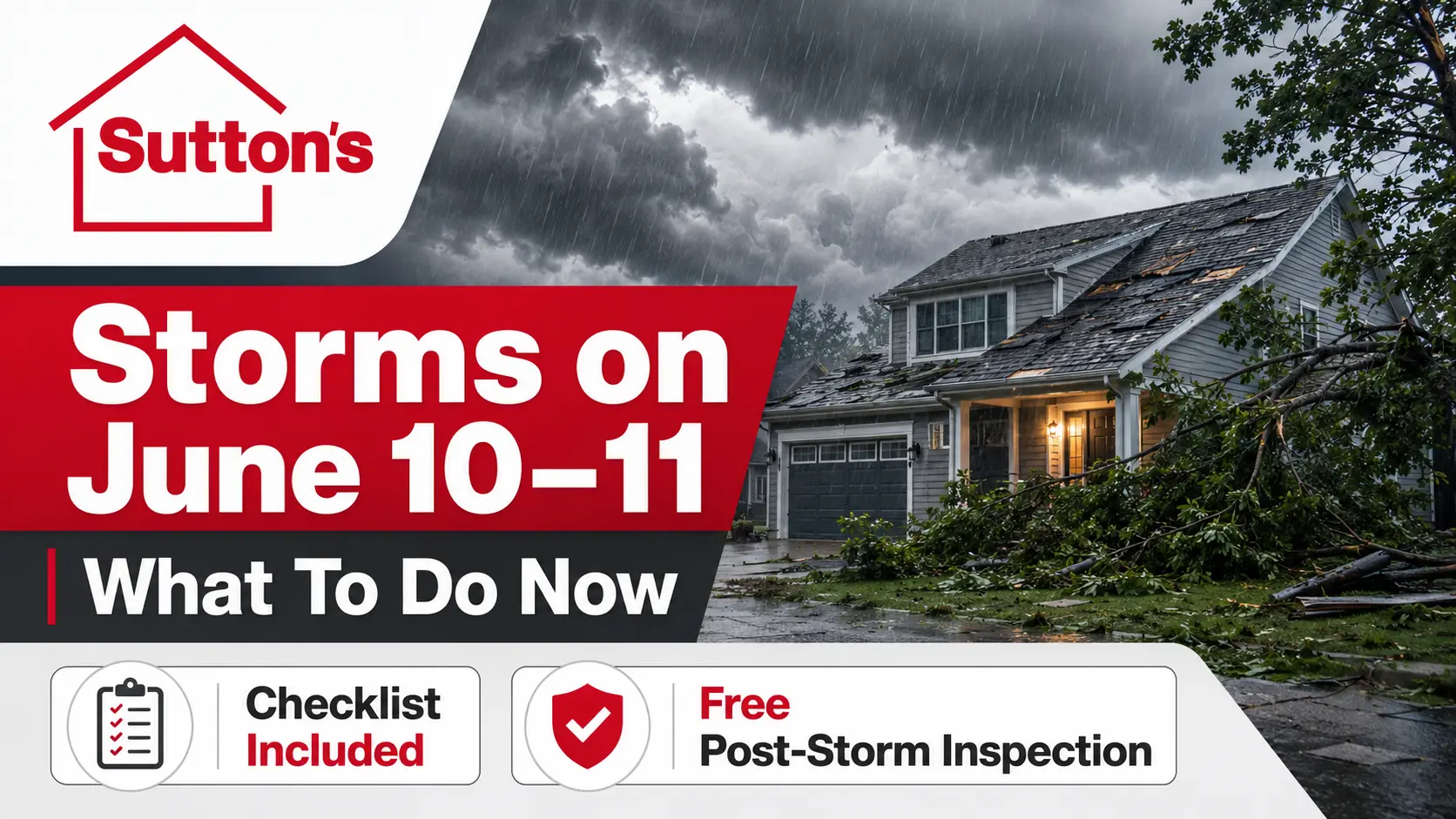
Picking the right roofing contractor in Springfield, IL is a high-stakes decision — and one of the biggest risks isn’t a bad contractor, it’s a fake one. In Central Illinois, storm chasers roll into town after every major hail event. They show up, knock on doors, and vanish once the insurance check clears.
Finding a professional who actually stands by their work requires looking past the glossy truck wraps. You need to check the structural grit of their business. If you do not vet them properly, you are not just risking a leak; you are risking your home’s entire skeleton. It is a mess you want to avoid.

How to Tell a Real Contractor From a Storm Chaser
- Prioritize companies with a physical office and a decade of local history.
- Verify both general liability and workers’ comp to protect your assets.
- Never accept a verbal bid; insist on a full written scope of work and price before signing anything.
- Look for manufacturer certifications that extend your warranty coverage.
- Ask whether they use an in-house crew or just sub the job out to strangers.
- Don’t just read online reviews; go see a project they finished six months ago.
- Ensure you don’t pay the final bill until the magnets have cleared the nails from your lawn.
Effective Tips for Finding the Right Roofer
You need more than a guy with a ladder and a truck. You need an expert who understands the city’s weird, erratic weather.
1. Demand Proof of Local Verification
The best roofing contractors are not just names on a Google ad. They have a physical office you can visit if something goes wrong. Ask how long they have been operating specifically in Sangamon County.
A contractor who has survived ten Illinois winters has a reputation to protect. On the other hand, a fly-by-night operation doesn’t care if your roof leaks next spring because they will be three states away by then.
2. Check for Specialized Insurance
Do not just ask if they are insured. Ask for a certificate of insurance (COI) sent directly from their insurance agent to your email. If a worker falls off your roof and the company is not covered, that legal nightmare lands on your doorstep. Make sure they carry both liability and workers’ compensation. General carpentry insurance is not enough when guys are twenty feet in the air. The National Roofing Contractors Association’s consumer guidance covers more red flags to watch for before signing a contract.
3. Look for Manufacturer Certifications
A small share of residential roofing contractors hold certifications from brands such as GAF and Owens Corning. These are not just stickers for the van door. These certifications allow the contractor to offer “system” warranties. These cover both the shingles and the labor for decades. If the manufacturer doesn’t trust the contractor enough to back their work, why should you?
4. Get a Detailed Scope in Writing
A professional quote should be a multi-page document. It should not be a number scribbled on the back of a business card. It needs to detail the shingle brand, the type of synthetic underlayment, the ventilation upgrades, and the cleanup process. If a contractor is vague about the “small stuff” like drip edges or flashing, they will likely cut corners during the actual install.
5. Verify the Subcontractor Policy
A lot of the big names in the industry sell the job and then “sub” it out to a crew they have never met. Ask the owner if they use a dedicated, in-house team. You want to know exactly who is standing on your roof. A consistent crew means consistent quality. It also means someone is actually accountable if a leak shows up during the next heavy rainstorm.
6. Don’t Let Price Be the Only Driver
The cheapest bid is usually the most expensive one in the long run. If one estimate is thousands of dollars lower than the others, they are likely skipping the ice-and-water shield. Or maybe they are reusing old, rusty flashing. A high-quality roof replacement is an investment in your home’s equity. Pay for the expertise now, or pay for the interior ceiling repairs later.
7. Check Recent Neighborhood Referrals
Ask for three addresses of homes they finished in the last few months. Drive by them. See if the ridgelines are straight. Look at the gutters. Are they full of debris? Better yet, talk to the homeowners if they are outside. Ask if the crew showed up on time and if the final bill actually matched the original estimate. Real-world feedback is worth more than five stars on a website.
Read Also: Signs I need a roof replacement in Springfield, IL
Conclusion
Selecting a partner for your home’s protection isn’t a task you should rush. It is about finding a balance of technical skill and honest, straight talk. You want a team that treats your rafters like their own and doesn’t pull a disappearing act once the sun comes out. For a crew that has spent decades proving its worth to homeowners in this community, you should talk to Sutton’s – a GAF Master Elite certified company with reliable roofing services.
FAQs
What is the average cost to replace a roof in Illinois?
It varies based on the square footage and the pitch of the roof, but most Springfield homeowners land between $10,000 and $19,000 for a full asphalt shingle replacement. Steep roofs and multiple layers of old shingles push costs toward the higher end. Reputable roofers typically price by the square (100 sq. ft. of roof) rather than itemizing materials, labor, and disposal separately — what matters is a clear written scope and a firm total price before work begins.
What is the most expensive part of replacing a roof?
Labor is usually the highest cost, followed closely by the shingles themselves. However, the “hidden” expense is often the decking. If the wood underneath is rotted from years of slow leaks, that plywood has to be replaced. You cannot nail new shingles into rotten wood.
How long should a roof last in Illinois?
A standard asphalt roof should last 20 to 25 years. But our weather is brutal. High winds and hail can shave five or ten years off that lifespan. Proper attic ventilation is the secret to making a roof last. If the attic gets too hot, it bakes the shingles from the inside out.
Should I stay home during the installation?
You don’t have to, but it is a good idea to be available. There are always “surprises” once the old shingles come off. The contractor might find rotted rafters or hidden damage that needs an immediate decision. Plus, you’ll want to make sure your cars are out of the driveway before the dumpster arrives.
What happens if it rains during the project?
Pro crews only tear off what they can cover back up in a day. They keep massive tarps on hand just in case a surprise storm rolls through. A reliable contractor monitors the radar constantly to ensure your home stays dry.