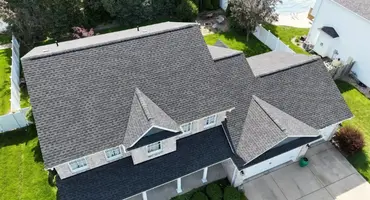
Central Illinois gets its share of rough weather, and summer is prime time for the hail and high winds that can quietly damage a roof. The tricky part? A lot of storm damage isn’t visible from the ground. Your roof can look fine from the driveway while shingles up top have lost the protection they’re supposed to provide — and small problems left alone turn into leaks, rot, and far bigger repair bills down the road.
That’s exactly the kind of storm damage roof Springfield IL homeowners run into most summers — damage you often can’t see from the ground until it’s already causing leaks.
Here’s how to tell whether a recent storm did a number on your roof, what to do about it, and how the insurance process actually works.
Why Storm Damage Is So Easy to Miss
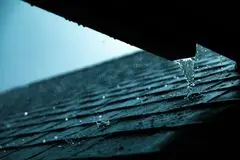
Hail rarely punches an obvious hole in a roof. More often it bruises shingles, knocks off the protective granules, and breaks the adhesive seals that hold everything down. Wind tends to lift and loosen shingles rather than tear them clean off. None of that is easy to see from below — but all of it shortens the life of your roof and opens the door to water intrusion.
That’s why a roof can pass the “looks okay from the yard” test and still need attention after a serious storm.
Signs of Hail Damage
Look for these clues (ideally from the ground or a window — more on safety below):
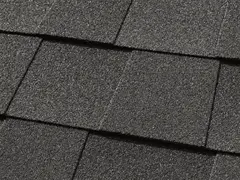
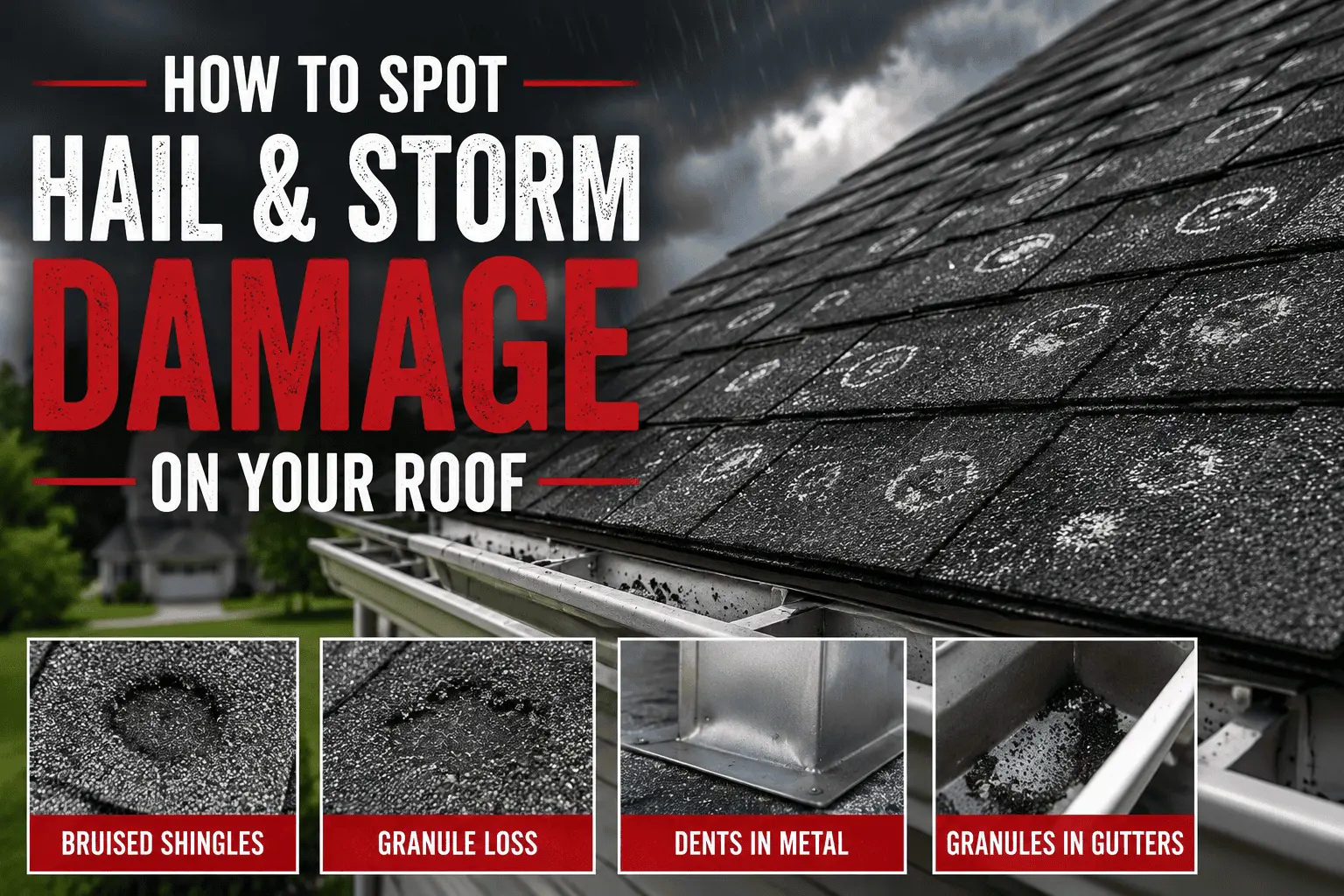
- Granule loss. Bald spots on shingles, or a buildup of sandy granules in your gutters and at the bottom of downspouts. Granules are your shingles’ sunscreen; losing them speeds up aging.
- Dents or bruising. Soft, dark, dimpled spots on shingles where hail struck. These often feel slightly spongy.
- Cracked or split shingles. Hail impact can crack shingles or knock pieces loose.
- Dented metal. Check gutters, downspouts, vents, flashing, and any metal roof features. If hail dented your gutters, it likely hit your shingles too.
- Damaged flashing or vents. The metal around chimneys, skylights, and vents is vulnerable and a common entry point for leaks.
Signs of Wind Damage
- Lifted, curled, or missing shingles, especially along edges and ridges.
- Exposed nail heads or shingles that no longer lie flat.
- Debris on the roof — branches and limbs can cause impact damage.
- Shingles or granules in the yard after the storm passes.
What to Do Right After a Storm
- Stay safe and stay off the roof. A wet, possibly damaged roof is no place to be. Inspect from the ground or a window with binoculars.
- Document everything. Photograph any visible damage, debris, and interior signs like water stains or ceiling spots. Note the date of the storm.
- Check inside, too. Look in the attic and at upstairs ceilings for moisture, stains, or daylight coming through.
- Don’t wait. Most insurance policies have time limits for filing storm claims, and small leaks get worse fast. Even if damage looks minor, a professional inspection is worth it.
- Get a professional inspection. A qualified roofer can spot the damage an untrained eye misses and tell you whether a repair, partial replacement, or full replacement makes sense.
How Storm Damage Insurance Claims Work
If your roof was damaged by a covered event like hail or wind, your homeowner’s insurance may pay for repair or replacement. The process usually goes like this: you file a claim, the insurance company sends an adjuster to assess the damage, and a settlement is determined based on what they find. Hail causes billions of dollars in U.S. property damage each year, according to the Insurance Information Institute, so insurers take these claims seriously. The catch is that what the adjuster sees — and how clearly the damage is documented — can make a real difference in the outcome.
That’s where having an experienced local roofer in your corner helps. For a deeper walkthrough of what to expect, read our complete storm damage roof repair guide for Springfield homeowners.
How Sutton’s Helps Springfield Homeowners
As a GAF Master Elite® contractor serving Central Illinois since 1946, Sutton’s knows exactly what storm damage looks like and how to communicate it clearly to your insurance company. We help homeowners with:
- Free post-storm roof inspections with no obligation
- Detailed damage documentation for your insurance claim
- On-site meetings with insurance adjusters when needed
- Emergency tarping to prevent further water intrusion
- Full storm restoration — from claim to completed installation
If a storm has rolled through and you’re not sure where you stand, don’t wait for a small problem to become a big one. Call Sutton’s at (217) 528-3911 or request a free, no-pressure roof inspection today — and let a team that’s protected Central Illinois homes for nearly 80 years take a look.