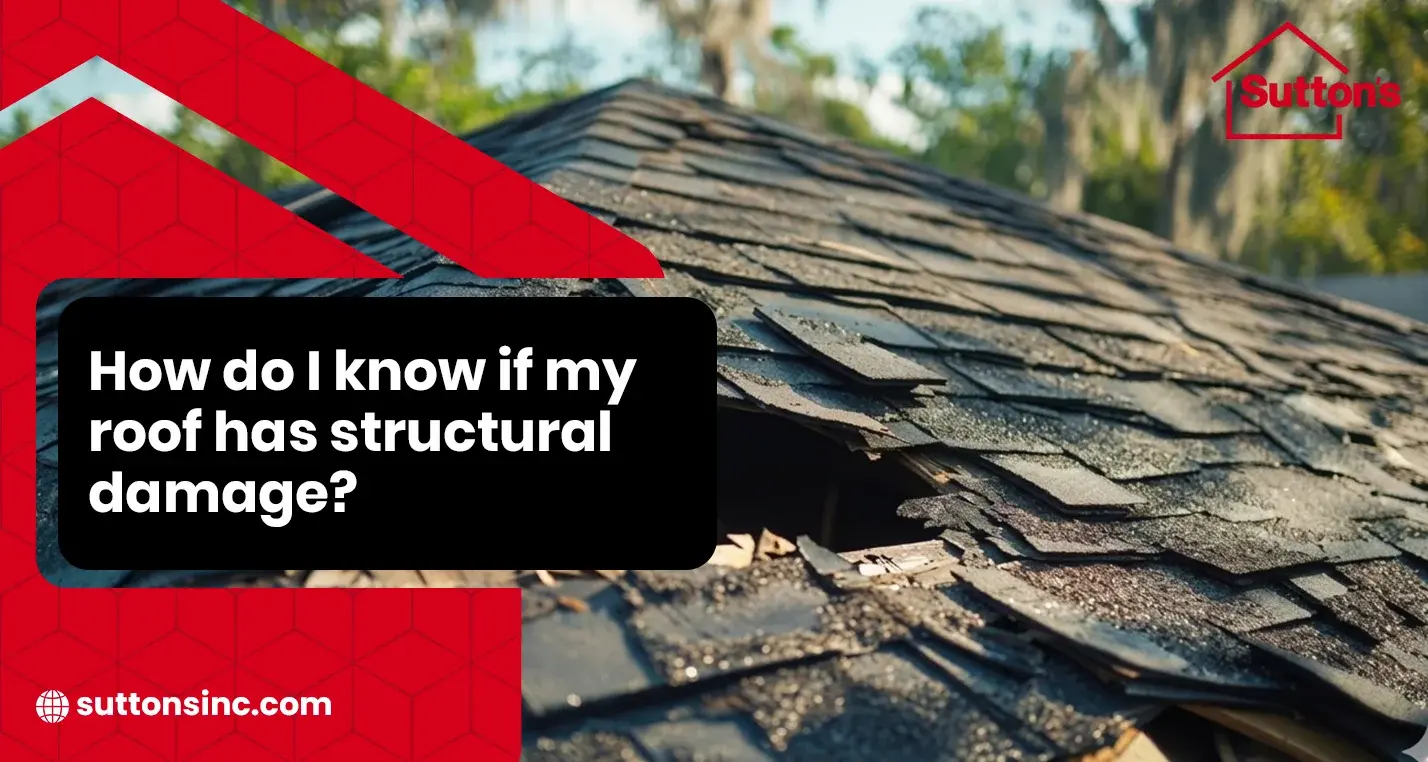
Homeowners dealing with roof structural damage in Springfield, IL should understand the warning signs of sagging, framing weakness, moisture damage, and shifting roof systems. A sagging roof line is a serious warning sign. In Central Illinois, roofs take a beating from heavy snow and erratic spring storms. These conditions turn small leaks into nightmares. Most homeowners wait until water drips from a ceiling fan to check things out. By then, the decay is deep in the rafters. You need to spot the damage before the skeleton of your home starts to give up.
Upgrade your roof — explore Springfield roofing solutions.
Warning Signs of Roof Structural Damage
- Check for dips in the ridge line or the roof planes.
- Look for splintering rafters in the attic or new cracks in interior drywall.
- Watch for doors and windows that suddenly jam or won’t close.
- Watch for spongy wood, daylight peeking through, or widespread leaks.
- Note if exterior walls appear to be bowing or “spreading” outward.
- Look for cracked chimney flashing or rotting fascia boards.
- Listen for loud creaking or popping sounds during high winds.
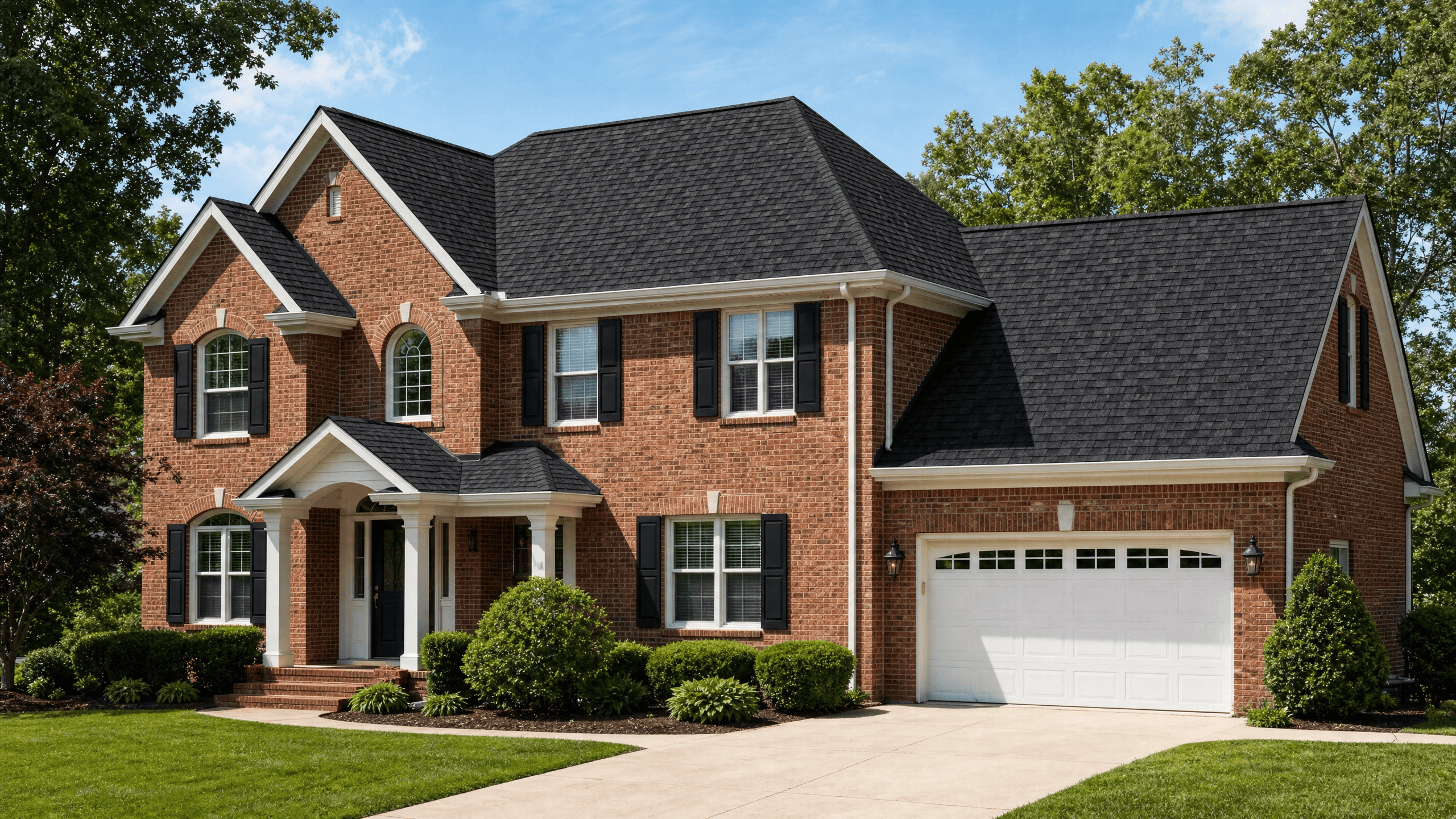
How to Identify Roof Structural Damage in Springfield, IL
Spotting failure requires looking past the shingles. You have to see how the weight moves from the peak down to the foundation.
1. The Visible Roof Sag
Stand back from your house. Does the ridge line look like a swayback horse? If it does, you have a problem. This often means rafters are cracked or internal bracing has shifted. Shingles cannot hide this. Calling an experienced roofing contractor in Springfield is the first step toward diagnosing whether the ridge beam itself is failing or if it is a localized rafter issue.
2. Cracked Rafters in the Attic
Grab a flashlight and go upstairs. Look for cracks in the large wooden beams. If you see wood splintering under the weight, the integrity is gone. Most roofers will tell you that a cracked rafter is a structural emergency that requires immediate reinforcement.
3. Doors and Windows That Stick
It sounds unrelated. However, a failing roof puts uneven pressure on your walls. If a bedroom door suddenly sticks, the house might be shifting. This type of movement often suggests the roof is no longer distributing its load vertically.
4. Massive Ceiling Sagging
When the roof deck fails, it pushes on the ceiling joists. A bowed interior ceiling is a high-priority emergency. The weight is no longer supported. This is often a precursor to a partial collapse.
5. Daylight Peeking Through
If you see the sun while standing in your attic, water is getting in. Over time, this moisture softens the wood. Softwood cannot hold a snow load. This leads to collapse. A full roof replacement is usually necessary when the decking has reached this level of saturation.
The National Roofing Contractors Association has more on how moisture intrusion compromises roof decking and structural integrity over time.
6. Crumbling Chimney Flashing
Shifts often show up near the chimney first. If the masonry is cracking or the metal flashing pulls away, the roof deck is moving independently. This gap allows water to pour directly onto your ceiling joists.
7. Persistent Leaks in Multiple Spots
A single leak is a repair. Five leaks across the house indicate structural failure. It suggests the entire deck is saturated and spongy. The wood can no longer keep fasteners tight.
8. Bowing Exterior Walls
In bad cases, a roof that is “spreading” pushes walls outward. Check the corners of your home. Gaps at the top of the siding mean the roof is losing its grip on the wall plates.
Need a new roof? Check out our roofing services in Chatham, IL.
9. Unusual Sounds During Storms
Roofs should be quiet. If you hear loud creaking or popping during high winds, the structure is flexing too much. This “play” in the wood leads to fastener fatigue.
10. Rotted Fascia and Soffits
The edges of your roof support the ends of the rafters. If fascia boards rot away, your rafters lose their support. This causes the eaves to drop. It creates a domino effect across the entire roofline.
Read Also: Siding replacement in Springfield, IL
Conclusion
Structural issues are the mess no homeowner wants. Ignoring them just makes the final bill higher. It is important to ensure the rafters are straight and the deck is dry. A solid structure keeps a roof over your head that you can actually trust, which is why you should reach out to Sutton’s – a GAF Master Elite certified company with reliable roofing services.
FAQs
How do I find a reliable local expert?
Look for companies with a physical office and a decade of local history. You want a team that knows the grit of Illinois weather. Avoid out-of-state storm chasers.
When should I call a pro for a sag?
Call them immediately. A sag means the load-bearing capacity is failing. If you wait for heavy snow, the structure could collapse. That is a much more expensive rebuild.
What does a full replacement cost in Central Illinois?
Prices vary based on size and materials. If there is structural damage, you must pay for rafters and decking, too. A good quote breaks these costs down clearly.
Does homeowners’ insurance cover this?
If a fallen tree or a severe storm caused it, you are likely covered. If the damage is from twenty years of neglect, you will probably pay the bill yourself.
Is it safe to walk on a roof that is bowing?
No. If the decking is soft, you could fall through. Leave the climbing to the pros. They have the right safety gear.