Homeowners dealing with roof damage in Springfield, IL should understand how storms, UV exposure, freeze-thaw cycles, and moisture impact roofing systems. Central Illinois weather is a persistent endurance test for residential roofing. If you want to know how the weather in Springfield affects your roof and how to protect it, you have to look at the cumulative damage from our seasonal cycles. We deal with heavy UV exposure in the summer and consistent freeze-thaw cycles in the winter. Consulting an experienced Springfield roofing contractor can help you choose the right materials and maintenance plan to keep your roof durable year-round.
These factors gradually wear down materials. Moreover, this leads to shingle fatigue and eventual adhesive failure. Protecting your home is about a consistent maintenance plan. You need clear gutters, solid attic airflow, and a quick eye for damaged shingles. Addressing flashing issues and managing tree growth are also key.
Springfield weather roof damage builds up gradually, season after season, which is exactly why it’s easy to underestimate until a leak forces the issue.

How Springfield Weather Damages Roofing Systems
The environment in Springfield, IL, dictates how long your roof actually lasts. Here is how the local elements impact your roof:
1. UV Exposure and Thermal Cycling
Summer heat in Illinois is intense. Years of “thermal cycling,” the expansion and contraction from day to night, cause asphalt to lose its natural flexibility. Over time, this leads to edge curling. These cracks leave your underlayment vulnerable to moisture during heavy rain.
2. Wind Uplift and Seal Compromise
We get steady, high winds across the Illinois plains. These gusts create uplift pressure that can break the factory adhesive seal on your shingles. While shingles still shed water via gravity, a broken seal significantly increases the risk of shingles blowing off during the next storm, leaving the roof deck exposed.
3. Ice Damming in Winter
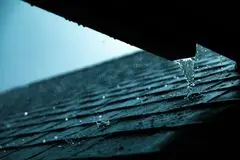
When heat escapes from a poorly insulated attic, it melts the snow sitting on your roof. That water runs down and refreezes at the cold eaves. This creates an ice dam. It causes meltwater to back up beneath shingles near the eaves, which eventually finds a way into your ceiling and walls.
4. Hail and Surface Granule Loss
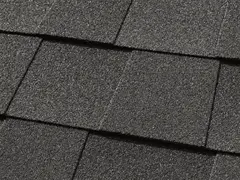
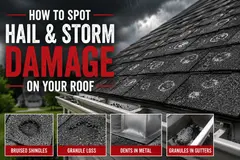
Spring storms in the Midwest often bring hail that bruises the shingle mat. This knocks the protective stone coating loose, exposing the asphalt to UV rays that cause fast degradation. If you’ve had a recent storm, you might want a roofer to check if your gutters are clogged with these granules or if your shingles have lost their protective layer.
5. Biological Growth and Moisture
High humidity in the Springfield area often leads to algae streaks and moss. Algae is mostly a cosmetic problem, but moss is more serious. It traps moisture against the shingles. If left alone, this persistent dampness can lead to material deterioration and surface rot.
Find the right solution for your home — check out our services!
How to Protect Your Roof From the Elements
You can’t change the Illinois forecast — track current conditions through the National Weather Service’s Central Illinois office — but you can reinforce your home’s exterior. Professional oversight is usually the difference between a small repair and premature roof replacement.
- Improve Attic Ventilation: A balanced airflow system helps keep your attic temperature stable. It reduces the heat load on your shingles in July and prevents the snow-melt cycle that leads to ice dams in January.
- Schedule a Professional Inspection: A ground-level check won’t catch everything. A contractor with roofing expertise can get on a ladder to find hairline cracks. They check for loose flashing around chimneys and vents before they start leaking.
- Maintain Your Gutter System: Clogged gutters are a common contributor to water damage along the roof’s edge. If water can’t flow off the roof, it stays trapped against the fascia. Professional gutter guards are a reliable way to keep debris out and water moving.
- Monitor Tree Growth: Branches that rub against your house act like sandpaper on shingles. Keep trees trimmed back at least six feet. This prevents abrasive damage and keeps damp shade from encouraging moss growth.
- Work With a Professional: For repairs, avoid temporary “quick fixes.” A qualified roofing contractor will use sealants and shingles rated for our specific wind and temperature ranges. It ensures the repair actually holds.
Read Also: Roof Replacement and Repair in Springfield, IL
Conclusion
Understanding how the weather in Springfield affects your roof and how to protect it is the key to a long-lasting home. The local cycle of wind, ice, and UV rays is constant, but it is manageable. Focus on attic airflow, gutter integrity, and prompt shingle repairs. Keeping trees trimmed and using the right materials will save you a lot of stress during storm season.
At Sutton’s, we have spent decades building and repairing roofs specifically for the Springfield, IL, climate. We can help you assess your current defenses and make sure your home is ready for whatever the next season brings.
FAQs
How to protect the roof in spring?
Check for shingles loosened by winter ice. Clean out the gutters. Make sure your downspouts are clear so that heavy spring rains don’t back up under your shingles or saturate your foundation.
How to protect a rooftop from rain?
Your primary defense is your flashing, the metal around chimneys and valleys. If your flashing is tight and your underlayment is solid, your home stays dry even during heavy Midwest downpours.
How do you weatherproof a roof?
It’s a multi-layer system. You need a waterproof leak barrier at the eaves, shingles with a strong wind rating, and a schedule for professional inspections. Catching minor wear early is the goal.