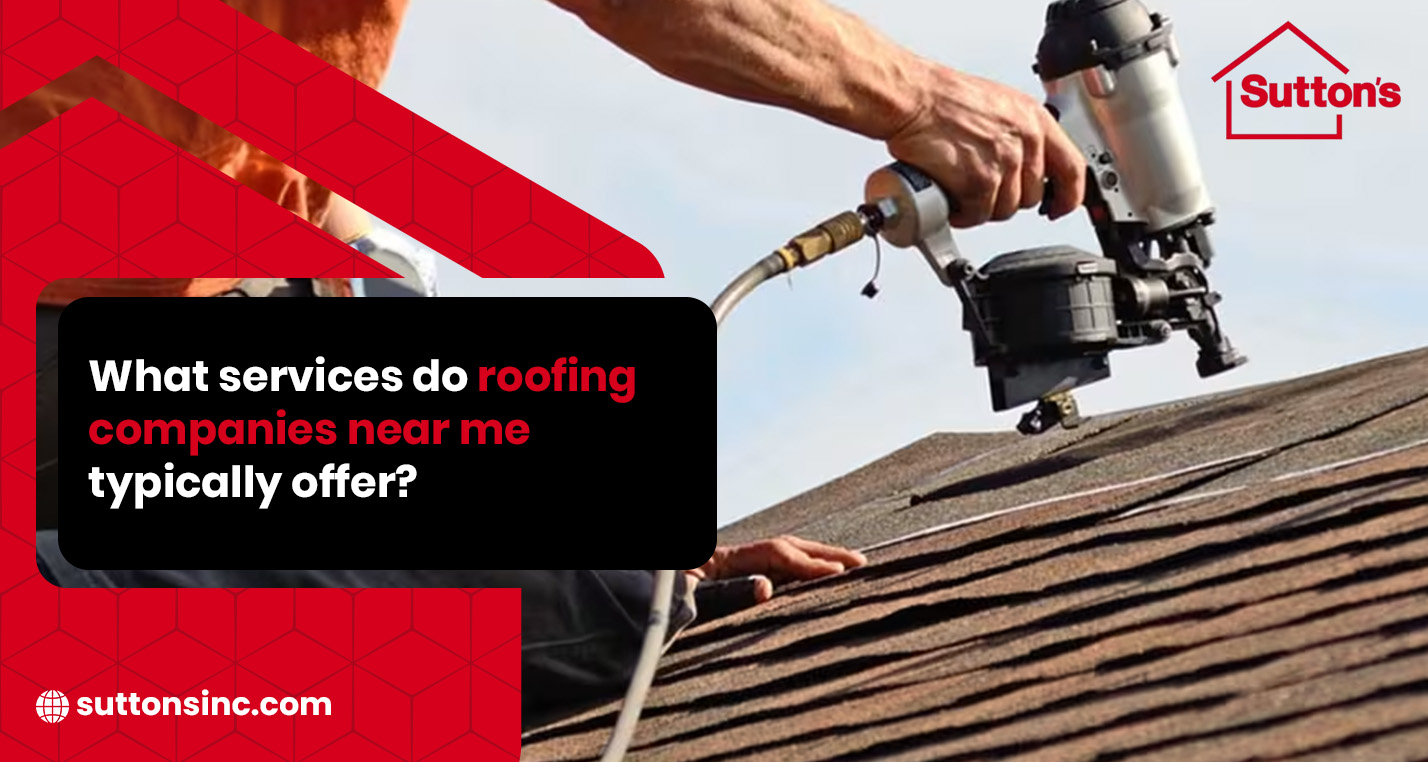
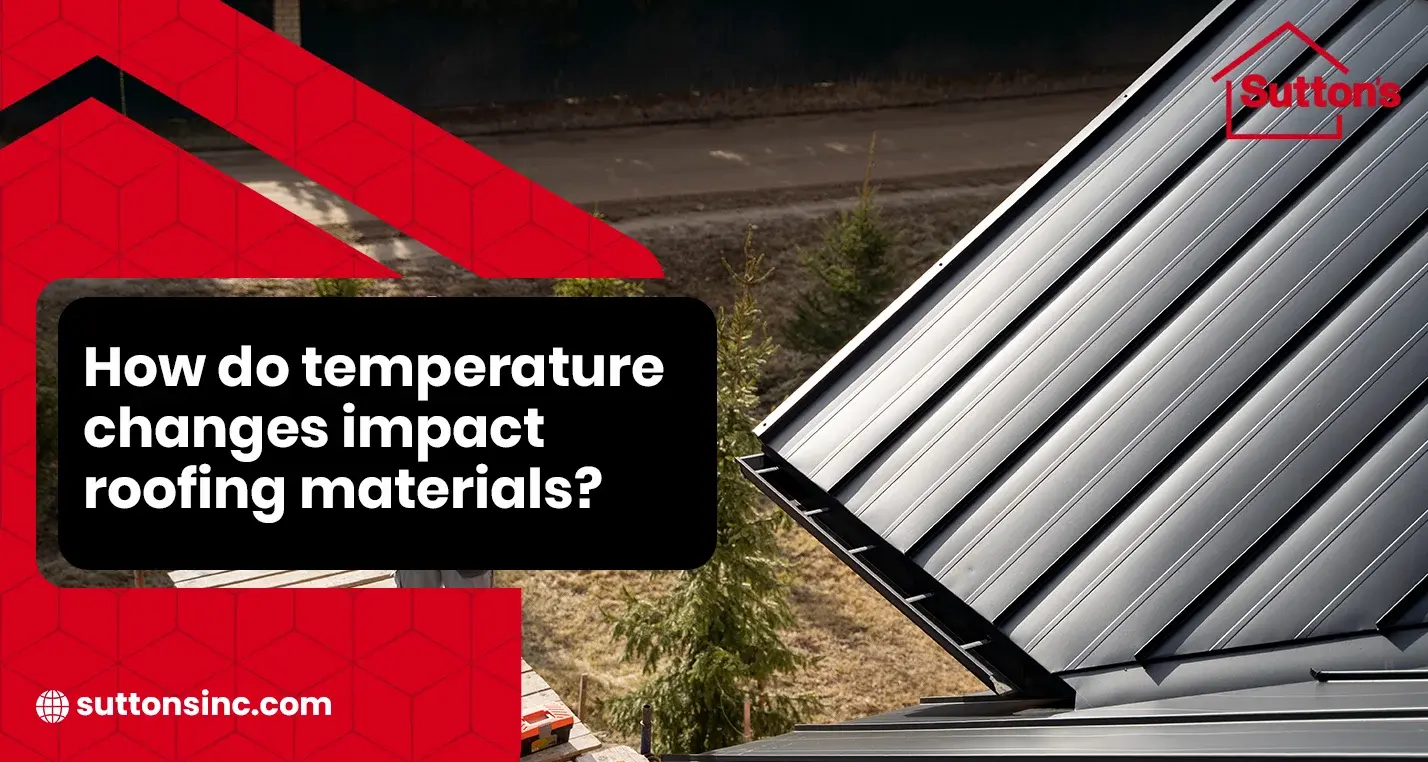
Springfield’s weather is a real test for any home. Local climate swings from freezing winters to scorching summers, and those shifts do more than just make you uncomfortable. They physically beat up your shingles. Most people think a roof just sits there, but it actually breathes, grows, and shrinks every single day. If you don’t understand how these shifts destroy the grit of your home’s shell, you might be surprised by a massive leak when you least expect it.
Key Takeaways: How Temperature Fluctuations Affect Your Roof
- Shingles expand in the heat and contract in the cold, causing significant physical stress.
- Rapid cooling can snap the adhesive bond that keeps your shingles attached to the house.
- The “see-saw” motion of the wood deck can slowly push nails upward and out.
- Drastic drops in temperature turn attic humidity into wood-rotting frost on your rafters.
- Freeze–thaw cycles can loosen metal components like flashing, fasteners, and gutters over time.
- Repeated cycles make asphalt brittle, leading to cracks that let water into your living room.
8 Ways Temperature Changes Ruin Your Roofing Materials
The weather in Central Illinois is like a constant workout for your house. If the materials aren’t high-quality, the constant movement will eventually cause a total system failure.
1. The Expanding and Contracting
Everything on your roof, the wood, the metal, and the asphalt, moves at different speeds. When the sun hits the dark surface, it expands. When the sun goes down, it pulls back. Over time, this constant stretching creates tiny cracks in the shingles. If you are hunting for the best roofing contractors near me because of a mystery leak, it might be because your shingles have literally “stretched” themselves to death.
2. Thermal Shock Damage
This happens when a hot summer afternoon is followed by a sudden, cold rainstorm. The roof temperature can drop 50 degrees in minutes. This shock makes the materials contract too fast. It can lead to shingles curling or even splitting. It’s a huge reason why cheaper materials don’t last long in the Midwest. They just aren’t flexible enough to handle the sudden “jolt” of a local storm.
3. Condensation in the Attic
When the air outside gets cold fast, the warm air in your attic turns into water. It’s like the sweat on a cold soda can. This water drips onto your insulation and starts to rot your rafters. Without good vents, this temperature-driven moisture stays trapped. It creates a swampy mess that ruins your air quality and weakens the whole structure. Finding reliable residential roofing contractors is the best way to ensure your ventilation is actually working to stop this.
4. Shingle “Curling” and “Cupping”
Heat dries out the oils in asphalt shingles. The cold makes them stiff. When you mix the two, the edges of the shingles start to turn up (curling) or the middle starts to sink (cupping). Once this happens, the roof can no longer shed water. A professional roof replacement Springfield project is usually the only fix once the materials have lost their flat shape.
5. Nail Pops and Loose Fasteners
As the wooden roof deck expands and shrinks, it acts like a slow-motion hammer. It can actually pull the nails out of the wood. These “nail pops” push up against the underside of the shingles. Eventually, they poke a hole right through the top. This creates a direct path for rain to enter your home, all because the wood shifted too many times.
6. Brittle Shingle Cracking
In the dead of winter, shingles become like glass. If a branch hits them or even if the house settles, they can snap. Older roofs are more at risk because they’ve lost their “bounce.” Often, people find that older roofs fail in the spring because the materials have become too brittle to survive the winter freeze.
7. Sealant Strip Fatigue
Shingles are held together by a sticky tar strip. Heat makes this strip soft, and cold makes it hard. After a few hundred cycles of this, the “glue” can lose its grip. Once the seal is broken, wind can lift the shingles up. If you see shingles flapping in the wind, the temperature has likely killed the adhesive bond.
8. Gutter and Flashing Separation
Metal moves much more than wood. The flashing around your chimney and the gutters on your eaves are constantly pulling away from the house. In the winter, ice builds up in these gaps. The ice expands, making the holes even bigger. It is a cycle that eventually leads to water pouring behind your siding and into your walls.
Read Also: 7 Tips for Choosing a Reliable Roofing Contractor
Conclusion
The weather is a constant battle for your home. You can’t change the temperature, but you can make sure your roof is ready to move with it. Ignoring the way heat and cold beat up your shingles is the fastest way to a soggy ceiling. For a team that understands how to build a roof that survives the local “seesaw,” you should talk to Sutton’s – a GAF Master Elite certified company with reliable roofing services. We take care of the small cracks now to prevent a massive disaster later.
FAQs
How often should I check my roof for temp damage?
You should look at it twice a year. Check it in the spring after the big freezes are over, and in the fall before the snow hits. Look for shingles that don’t lie flat or “sand” in the gutters.
Does attic insulation help my roof last longer?
Yes. Insulation keeps the heat in your house and out of your attic. This keeps the roof deck at a more even temperature. It stops the “baking” effect in the summer and the frost effect in the winter.
Can I stop thermal shock?
You can’t stop the weather, but you can use better materials. High-end shingles have more polymer (rubber) in them. This makes them way more flexible so they can grow and shrink without cracking.
Do dark roofs fail faster in our area?
Usually, yes. Black or dark gray roofs soak up more heat. They get much hotter than lighter colors. This means the temperature swings are more violent, which wears out the asphalt faster.
Why does my roof make popping noises?
That is the sound of the wood deck expanding. It’s normal, but if it is very loud, it might mean your rafters aren’t braced well enough to handle the movement.
How do I find a contractor who understands this?
Look for pros who talk about ventilation. If they only talk about shingles and ignore the air flow, they don’t understand how temperature works. You want a team that looks at the whole “breathing” system.