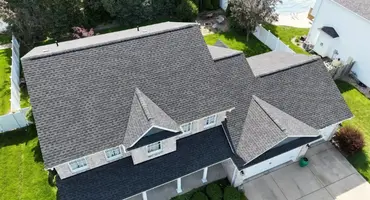
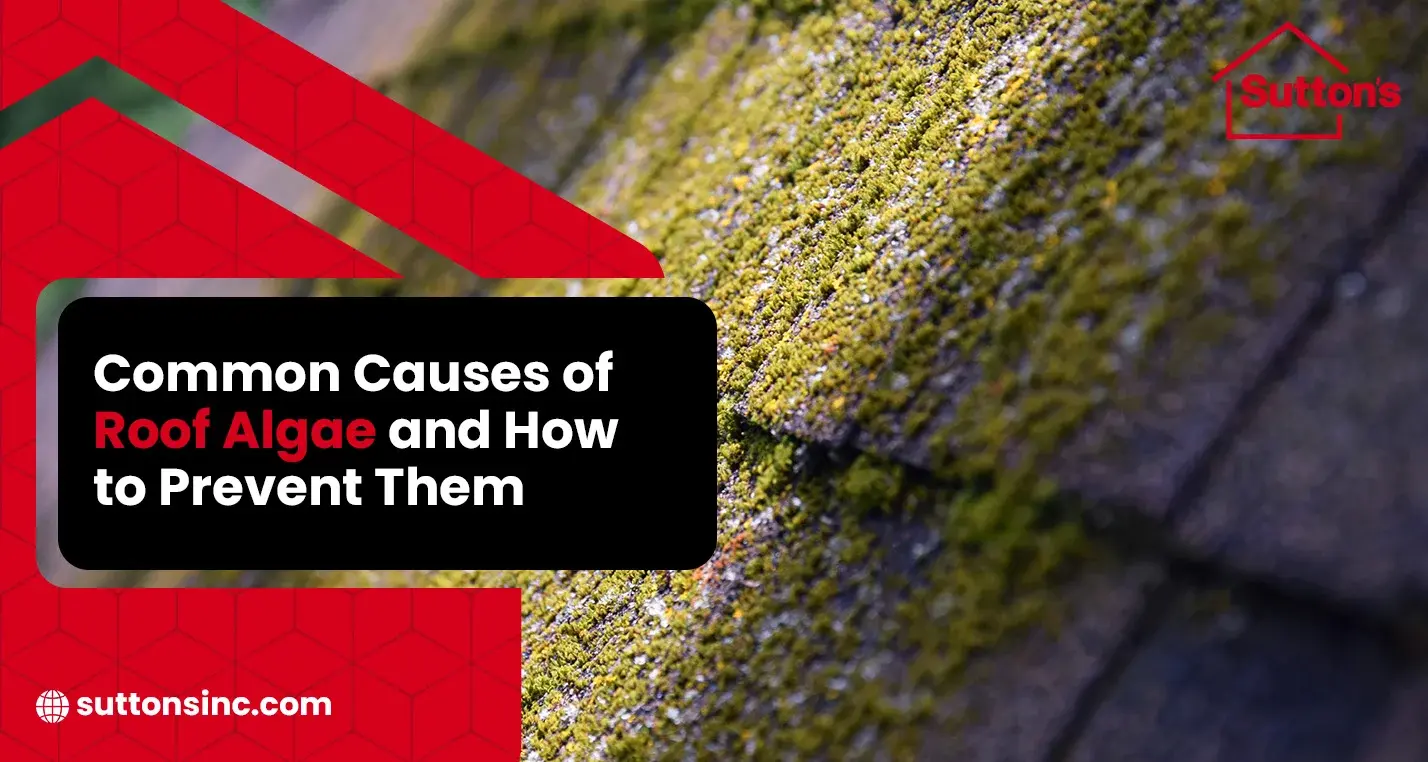
Homeowners dealing with roof algae in Springfield, IL should understand how moisture, shade, humidity, and poor airflow contribute to black streaks and roof staining. Ever walk outside and see those nasty black streaks on your shingles? Most people assume it is just dirt, but it is actually a type of cyanobacteria often called blue-green algae. This stuff loves to eat the stone particles found in modern roofing materials. It starts as a tiny patch but can quickly take over your entire home.
Knowing the common causes of roof algae and how to prevent them is the only way to keep your curb appeal from declining. Growth usually stems from limestone fillers, low sunlight from overhanging branches, or constant humidity. It also spreads through airborne spores, poor attic airflow, and cool northern exposure.
Need a stronger, safer roof? Explore our expert roofing services in Springfield today!
What Causes Roof Algae in Springfield, IL
Algae does not just appear out of nowhere. It needs the right conditions to grow. Here is why those dark stains are showing up on your house:
1. Limestone Fillers in Shingles
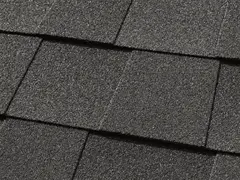
Most modern asphalt shingles use limestone to add weight and durability. Unfortunately, limestone makes shingles very hospitable for cyanobacteria. The organisms settle on the surface and use the limestone as an anchor point to grow. As they spread, they leave behind a dark, protective coating that creates those black streaks you see from the street.
How to Prevent It
When you buy a new roof, ask for algae-resistant shingles. These use specialized granules coated with copper or zinc. When it rains, the metal releases a small amount of protection that prevents organisms from taking root on your roof surface.
The National Roofing Contractors Association has more on algae-resistant shingle technology and roof maintenance best practices.
2. Overhanging Tree Branches
Trees provide good shade, but they also shed moisture and debris onto your shingles. Thick branches block the wind and sun. This keeps your roof damp for a long time after a storm. Constant surface moisture is exactly what cyanobacteria need to thrive and spread across your roof.
How to Prevent It
Keep your trees trimmed back at least ten feet from the roof. This lets the wind dry out the shingles. It also lets the sun hit the surface. If you aren’t sure how much to trim, a roofer can usually check for shade-related damage during a standard inspection.
3. High Humidity and Rain
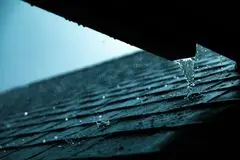
If you live in a place that is always humid, your roof is at risk. These organisms love a “wet” climate. Frequent rain keeps the shingles moist, giving the spores a perfect place to land and multiply. Without dry periods, the growth can become aggressive very quickly.
How to Prevent It
You can’t change the weather, so focus on drainage. Keep your gutters totally clear of leaves and debris. When gutters are clogged, water backs up and keeps the edges of your roof soaked, inviting growth to start along the eaves and move upward.
4. Northern Exposure and Shade
The north side of a house usually gets the least amount of direct sunlight. It stays cooler and retains dew longer than the other sides. Because of this, it is almost always the first place you will see black stains. Large chimneys or roof peaks can also create “permanent” shade zones.
How to Prevent It
You can install zinc or copper strips along the ridge of your roof. When it rains, the water flows over the metal and carries a protective wash down the shaded parts of the roof. If the staining is too deep to clean, it may be time to consider a roofing contractor Springfield homeowners trust to upgrade to algae-resistant materials.
5. Wind-Borne Spores
Cyanobacteria move through the air like dust. If your neighbor has it, you will likely receive it as well. Wind, birds, and even squirrels carry the spores from house to house. It is a very contagious problem for a neighborhood, especially in older subdivisions with mature trees.
How to Prevent It
Maintenance is the key here. Having a pro perform a “soft wash” with manufacturer-approved cleaners every few years can kill invisible spores. This happens before they turn into big stains. Just make sure to avoid high-pressure washing, which can strip your shingles and void your warranty.
6. Poor Attic Ventilation
While not the main cause, the air inside your house plays a role. If your attic is poorly vented, it can increase moisture levels inside the attic space. This keeps the entire roofing system damp for longer. Moist shingles are always more likely to host organic growth than dry ones.
How to Prevent It
Check your vents to ensure air is flowing properly. A dry attic helps the roof surface dry out faster after a rainstorm. If you are currently planning a new roof installation make sure your contractor includes a modern ventilation plan to keep the system dry and healthy.
Read Also: How Long Do Asphalt Shingles Last? | Lifespan & Factors
Conclusion
Ugly black streaks do not have to be a permanent part of your home. By learning the common causes of roof algae and how to prevent them, you can keep your shingles looking brand new. You must manage limestone fillers, humid weather, and overhanging trees to stop the growth. You also have to watch out for northern shade, airborne spores, and stagnant attic air.
Simple steps like cleaning gutters or adding protective metal strips make a huge difference. At Sutton’s, we want your home to stay strong and look sharp for decades. We can inspect your roof and recommend the right soft-wash or preventive maintenance to keep it clean. Our goal is to ensure your shingles stay protected from unwanted organic growth.
FAQs
What causes algae on the roof?
The dark streaks caused by a cyanobacteria are called Gloeocapsa magma. It travels through the air and lands on roofs, where it thrives in moist, shaded areas and settles onto the limestone fillers found in shingles.
How to prevent roof moss and algae?
The best defense is a mix of sunlight and metal. Trim your trees to reduce shade and install zinc or copper strips at the roof ridge. Keeping the shingles dry and free of organic debris, such as leaves, is also very important.
What is the best way to prevent algae growth?
Using algae-resistant shingles with metal-coated granules is the top long-term fix. For an existing roof, keep your gutters clean and ensure the roof gets plenty of sunlight and airflow to stay dry throughout the week.