
We rarely think about our roof until it begins to show signs of wear. After all, it’s one of the most important parts that keep our homes safe from rain, wind, snow, and sun. So, how often should you replace your roof? Unfortunately, there’s no clear answer. The lifespan of a roof depends on the materials used, the level of maintenance, the weather conditions, and the quality of the installation. In this post, we’ll explore roof replacement intervals and the factors that influence the decision on when it’s time for a change.
Average Lifespan of Different Roofs
Roofs have a limited lifespan, but they are able to last longer with good maintenance. Replacement of roofs approximately occurs every 15-50 years, depending on the type of material used. Here are the details according to the material:
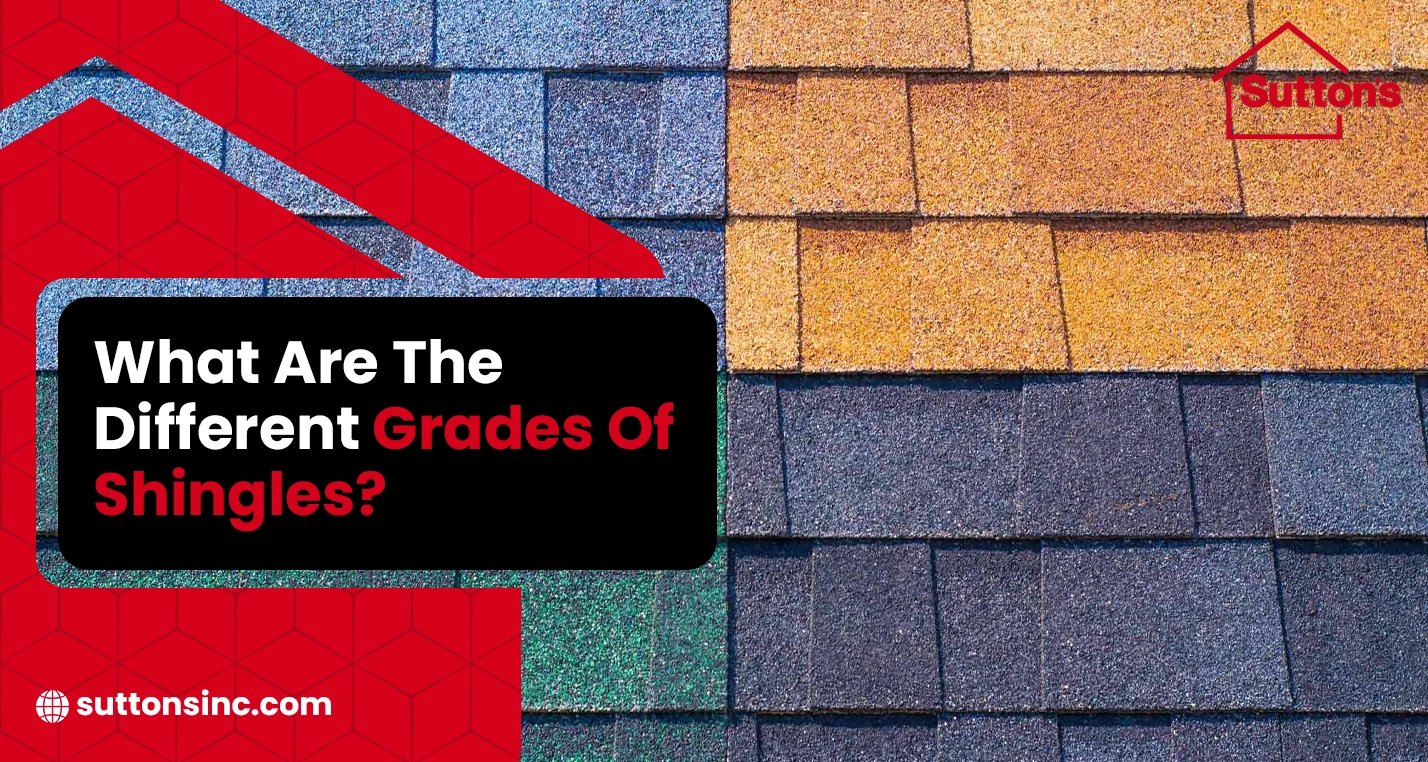
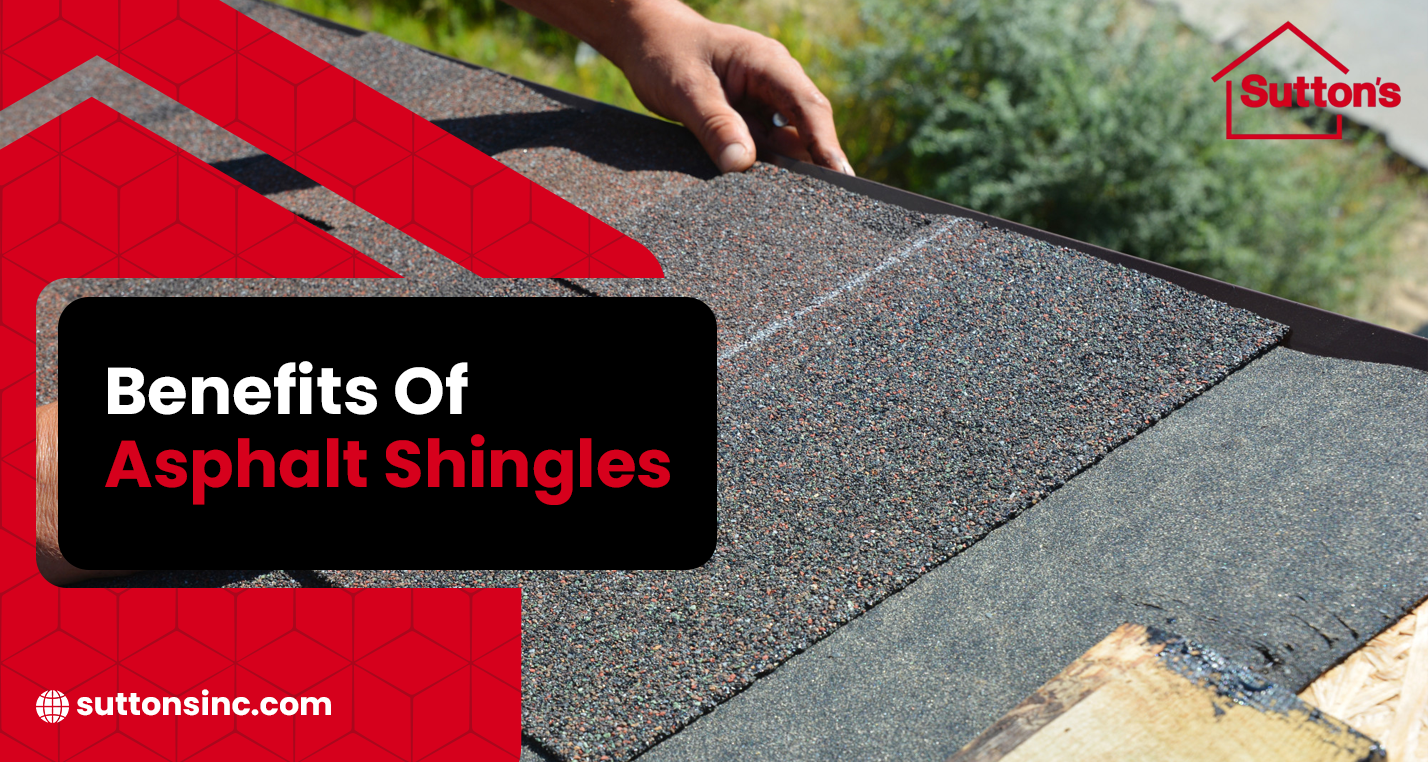
- Asphalt Shingles: Most houses utilize these, and their lifespan is around 20-40 years. The basic 3-tab shingles will probably be replaced after 15-25 years, while architectural shingles could last up to 40 years.
- Wood Shingles/Shakes: These gorgeous, organic materials have a lifespan of 20-30 years but are prone to decay, insect infestation, and water damage. They usually require more care.
- Metal Roofing: The capacity of metal roofs, encompassing steel or aluminum, lasts anywhere from 40-100 years, depending on the material and the degree of weather harshness.
- Clay/Concrete Tiles: The maintenance can extend their lifespan from 50-70 years, making them one of the longest-lasting choices.
- Slate: One of the most robust roofing materials, slate lasts 75-100 years or even longer if properly maintained.
Factors That Affect the Roof Replacement Intervals
The life of your roof depends on many factors, and those factors help you in finding the lifespan of your roof and when it’s time to replace the roof. Here are some common factors:
1. Type of Material
Limitations exist for all the materials. To illustrate, asphalt shingles are good for about 30 years at most. Metal and slate roofs will last for hundreds of years, but your roof is at the end of its lifespan. It is wise to consider a replacement, just to be on the safe side. Even if the roof looks good, there is a chance of leaks and other problems appearing later.
2. Installation Quality
The installation of your roof determines its quality of life. A poor installation, in which, for example, the shingles are misaligned, the sealing is done incorrectly, or the ventilation is insufficient, can lead to a roof that has to be replaced long before its time. If your roof has not been installed up to the standard, you will be required to replace it much sooner than is the case for a well-installed roof. It is always good to select a reliable contractor to ensure your roof is installed correctly.
3. Ventilation
Ventilation plays a huge role in keeping your roof in good shape. Poor ventilation in the attic can cause heat and moisture to build up, which accelerates the breakdown of roofing materials. Excessive heat makes shingles brittle, while moisture promotes the growth of mold and wood rot. If your roof isn’t properly ventilated, you might find that it needs replacing sooner.
4. Flashing
Flashing is a metal layer that is used as a barrier against water in the areas around the chimney, vent, and other parts of the roof where water could enter. If the flashing is broken, it will let water go through the roof and cause rotting and leaking. The flashing problems are usually manageable, but if the issue is ignored, it will ultimately lead to roof replacement when it becomes the only option due to the extent of the damage.
5. Decking
The decking serves as the base for your roof. When the decking deteriorates or becomes water-damaged, the stability of the roof is reduced. The shingles might still be in perfect shape, but the deck that is already weakened may force you to completely change the roof. Always check the state of your decking when considering a roof replacement, as it is a crucial element in the overall health of the roof.
Conclusion
A roof replacement is certainly a major financial commitment. Generally, people expect roofs to serve them for a period of 15 to 50 years. But the answer to the question, How often should you replace your roof depends on the type of materials, upkeep, and weather. Sometimes, various conditions can influence the roof’s deterioration process. The good news is that if you carry out regular inspections, apply the right maintenance approaches, and make prompt repairs, you will actually extend your roof’s lifespan. For more information or roofing replacement services, you can contact Sutton’s, a GAF-certified roofing company.