When choosing roofing materials, it’s important to understand the different types of shingles. They vary in quality, durability, and performance, so your choice should match your needs, budget, and local weather. The grade of asphalt shingles affects both the roof’s function and appearance.
Shingle grades range from basic 3-tab options to premium, impact-resistant, or luxury styles. Each grade provides benefits for different budgets, climates, and design preferences.
Understanding Grades of Shingles
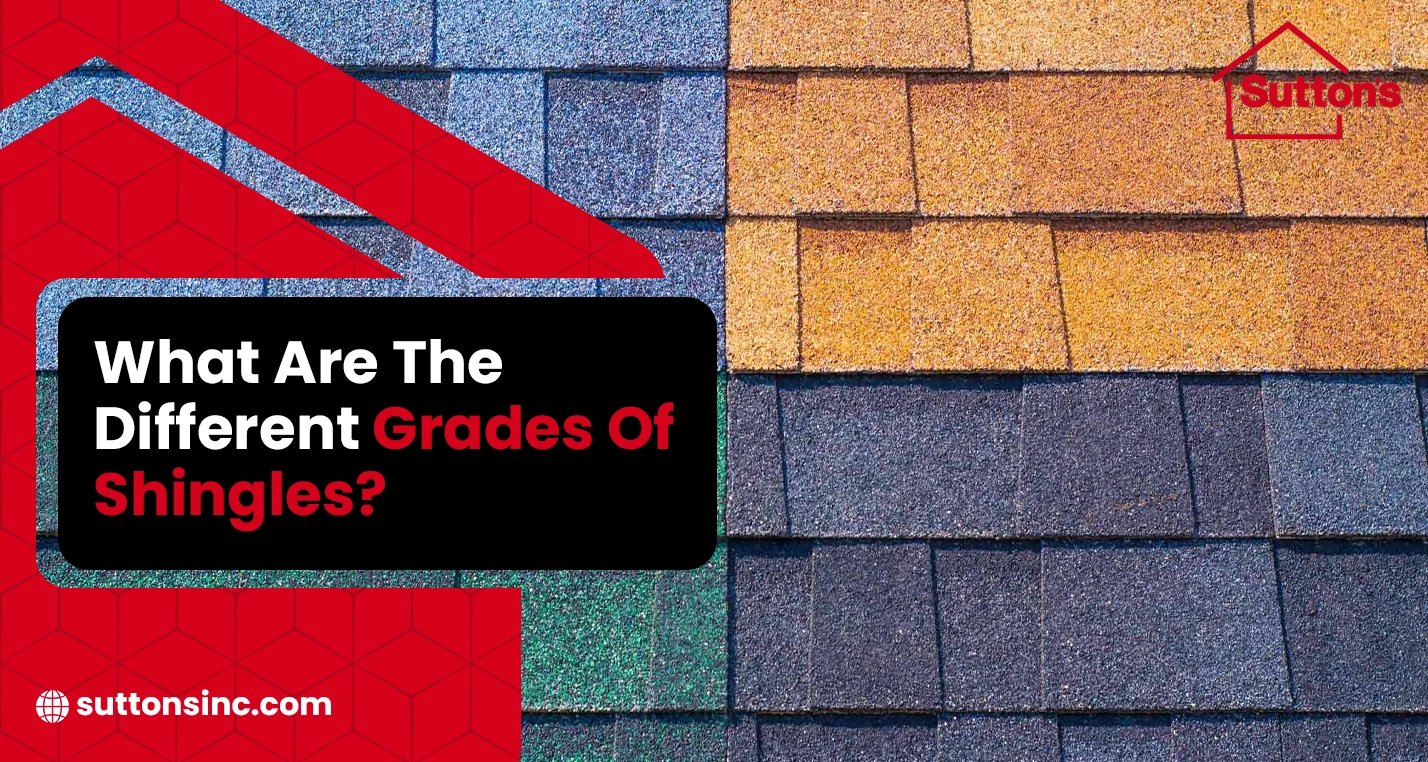
Shingles are categorized into three primary grades: entry-level, medium, and premium. Each grade reflects differences in thickness, material density, and structural design. Cost increases with added layers and longer service ratings. Climate exposure, roof slope, and installation method also influence grade selection. Material performance varies between grades due to these construction differences.
Each grade serves a distinct function within residential and light commercial roofing. Performance limits, appearance, and expected lifespan also differ. The sections below outline how each grade is classified and used.
Different Grades of Asphalt Shingles
Asphalt shingles are widely used due to availability and moderate cost. They are manufactured in multiple grades to address different performance requirements. Each grade differs in layer design and surface coating.
Entry-level Grade or 3-Tab Shingles
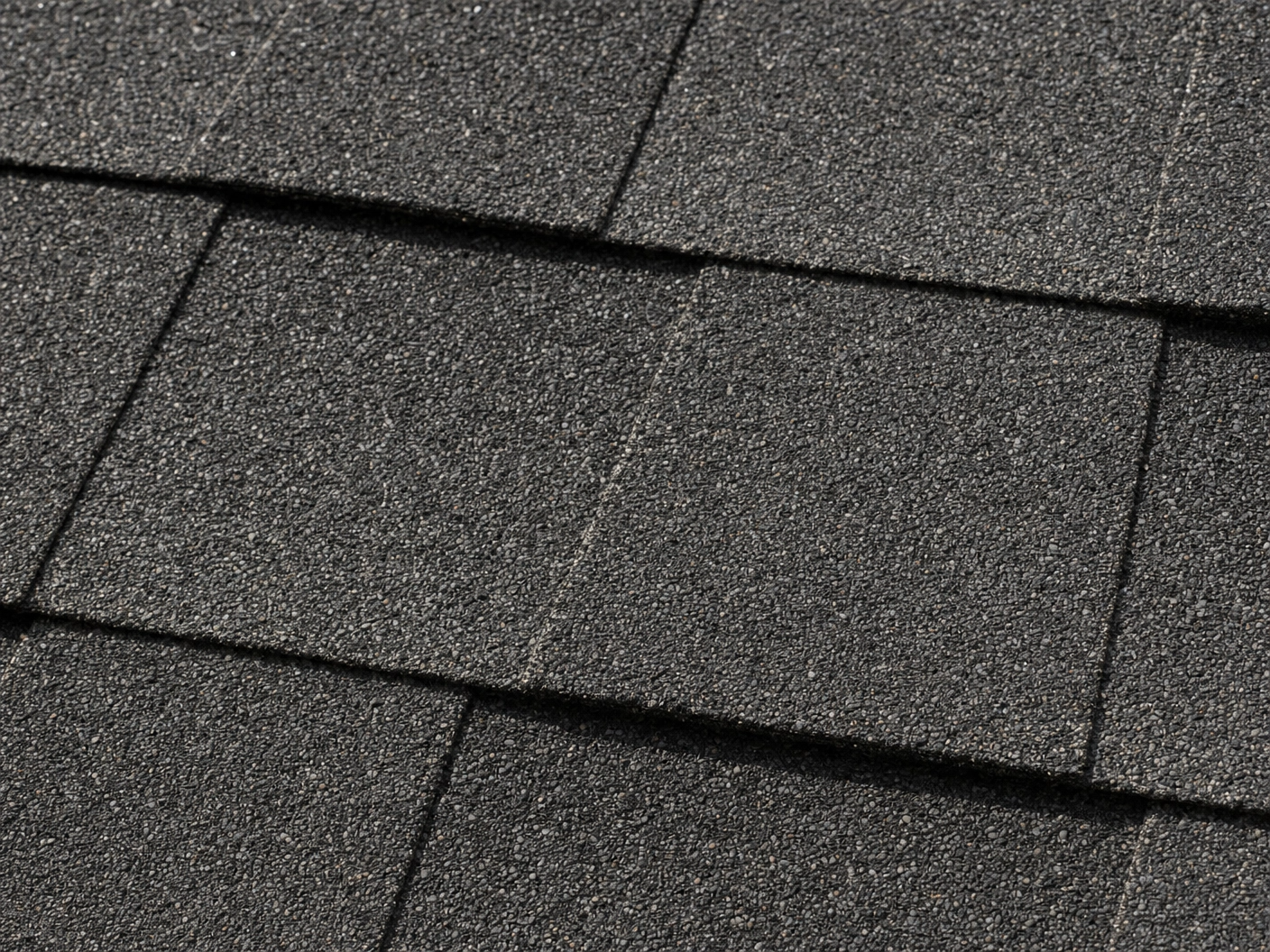
3-tab shingles are made from an asphalt sheet that has been cut in such a way that it looks like there are three separate tabs; the matrix is also flat and even. Flat roofing and low-cost building projects usually choose these roofs because of their short-term affordability. The resistance to wind and the strength to support weight are lower than those of higher-quality shingles. The National Roofing Contractors Association has more on how shingle grade affects wind and impact resistance.
Pros
- Highly Affordable: The least costly options fall into this category, thus being in the best position for the budget-friendly ones.
- Lightweight: The installation is performed easily, and it does not hurt the house’s structure much.
- Simple Appearance: Provides a neat, classic look to the homeowners who prefer a more traditional style.
Cons
- Limited Design Options: The flat appearance may not be as attractive as other asphalt shingle profiles.
- Vulnerability to Weather: Less able to cope with extreme weather conditions such as strong winds or heavy snow.
Medium Grade or Architectural Shingles
Architectural shingles are constructed using multiple bonded layers. This layered structure increases thickness and surface depth. The added mass improves wind resistance and water shedding. Surface textures vary by manufacturer, and color blends are more pronounced than in 3-tab designs. These shingles are widely used in long-term residential roofing.
Pros
- Longer Lifespan: Typically lasts 25–30 years, providing better value for your investment.
- Better Durability: They can withstand more severe weather conditions and provide better protection from wind and rain.
- Variety of Designs: Available in different styles and colors to match your home’s aesthetic.
Cons
- Heavier Weight: Requires more support from the roof structure, which can add to installation costs.
- More Complex Installation: May require professional installation due to the added layers and materials.
Premium Grade or Luxury Shingles
Luxury shingles incorporate reinforced base mats and multiple laminated layers. Their profiles are thicker and heavier. Surface patterns imitate slate or wood materials. Load tolerance, weather resistance, and impact ratings exceed those of lower grades. Installation requires stronger roof deck support due to the added weight.
Pros
- Highest Durability: Luxury asphalt roofing shingles easily beat others’ lifespan, as they can last no less than 40 years or even more.
- Aesthetically Pleasing: Besides their premium quality of being less visible and attractive, these roofing shingles can significantly increase your house’s curb appeal.
- Superior Protection: The best resistance is against very severe weather conditions, including hail, strong winds, and heavy rain.
Cons
- Heavy Weight: Extra layers and materials make these shingles much heavier, and this may require additional structural support to hold them.
- Complex Installation: Depending on the situation, they might need specialized installers, which sometimes becomes a hassle, but their longevity compensates for the inconvenience.
Conclusion
Different shingle grades determine how long your roof will last, how well it withstands harsh weather, the effort needed for installation, and the overall cost. Picking the right grade is essential for a roof that protects your home. Budget-friendly 3-tab shingles and high-end luxury options each have their own advantages. Think about your climate, budget, and desired look to ensure your roof is strong, energy-efficient, and attractive. Understanding different types of shingle grades helps you make a smart choice that adds value and keeps your home safe for years.
If you are looking for top-quality types of shingle grades, check out roofing experts like Sutton’s – a GAF Master Elite for the most professional option.