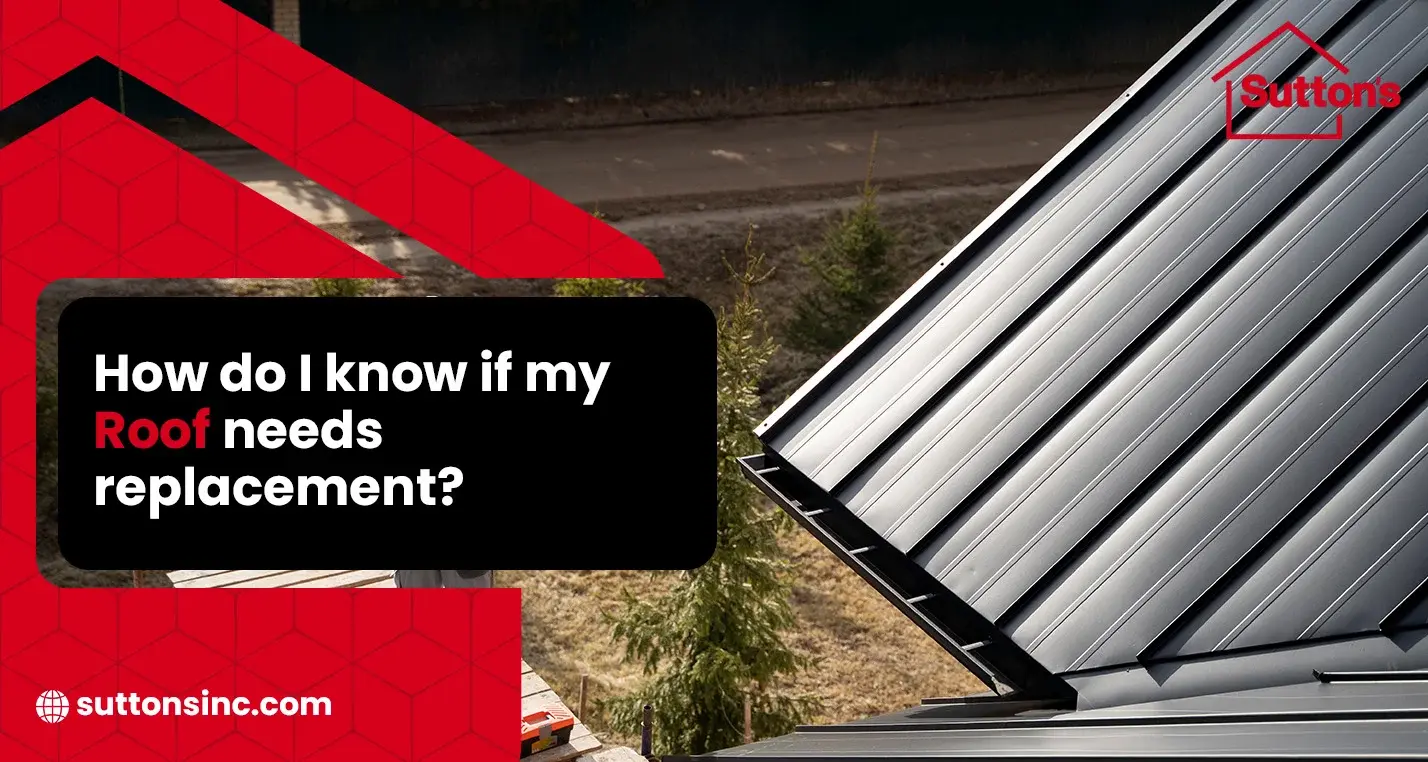
Finding out your roof is shot is never fun, but catching it early saves your interior walls. Most homeowners ask, how do I know if my roof needs replacement, only after they see a water spot on the bedroom ceiling. That is usually too late. You need to look for physical red flags like shingles that are bowing out, heavy moss, or a ridge that looks crooked.
These issues, along with granules clogging your downspouts and light coming through the attic rafters, mean the system is finished. For most standard homes, the actual construction time span to install a new roof is roughly one to three days.
H1: Signs Your Roof Needs To Be Replaced
If you want to know if your house is actually safe, go outside. Take a real look at the edges and the peaks. You might notice issues while thinking about other home updates, like kitchen & bathroom remodeling, but the roof should always be the priority to keep those interior investments dry.
Shingles looking like potato chips
Go to the side of the house that gets the most sun. See the edges turning up? Or maybe the centers are bowing out? That is what happens when the oils in the asphalt dry out from the heat. They lose their shape and stop shedding water. Once they start “curling,” a light wind can rip them right off. It is a clear sign the material is failing.
Your downspouts are spitting out sand
Next time it rains, look at where the water exits your gutters. If there is a pile of black sand or grit, your roof is “balding.” Those granules are the only thing protecting the shingles from UV rays. When they wash away, the sun eats the asphalt. If your gutters are full of this grit, your roof has no armor left.
Sunlight peeking into the attic
This is an easy test. Head up to the attic on a bright day. Turn off the lights. If you see tiny dots of light coming through the wood boards, you have holes. It is that simple. If light gets in, moisture gets in.
Usually, you will find damp insulation or an attic for leaks, it is also a good time to see if draft frames elsewhere mean you need a window contractor springfield musty smell in those spots too. While checking.
The roofline has a “wave” in it
A roof should be a straight line. Period. If you stand back and see a dip or a sag, the wood underneath is likely rotting. This occurs when water penetrates the shingles and accumulates on the plywood decking. Softwood sags under the weight. This is a structural problem. It needs a professional to review it immediately.
Bald spots and random missing pieces
A few shingles gone after a storm? That’s a repair. But if you see “bald” spots where shingles have just crumbled away over time, the adhesive is dead. The whole system is failing. Replacing just a few will not help if the ones next to them are about to fall off.
Green fuzz and thick moss
Moss is not just an eyesore. It acts as a sponge too. It keeps water trapped against your roof for weeks. It also has roots that lift shingles up so water can crawl underneath. If your roof is covered in green, the wood deck underneath is likely staying wet and rotting out. If you are spending more time outside planning a deck contractor’s springfield, you might notice this green growth more easily from the backyard.
Brittle, cracked surfaces
Old shingles get hard. They are supposed to flex when the weather changes. If they cannot flex, they snap. If you see cracks running through the shingles like a broken window, they are not waterproof. This is classic for any roof over 20 years old.
Rusted or gapped metal flashing
Look at the metal around your chimney or the pipes. That’s called flashing. If it is rusted, bent, or missing, water is pouring into your walls. Many old roofs used “tar” instead of metal and that stuff cracks way faster than the shingles do.
Water spots on your interior drywall
Check your top-floor ceilings. Yellow or brown circles mean a leak. Sometimes the leak is nowhere near the spot; water can run down a rafter for ten feet before it drips. If the paint is bubbling near the ceiling, you have moisture trapped inside the wall.
The calendar says it is time
Even if it looks okay from the curb, age is the biggest factor. Most asphalt roofs are built for a 20-year window. If you do not know when yours was done, it is worth checking. After two decades, the materials just stopped performing.
Read Also: What are the Different Grades of Shingles?
Conclusion
Knowing whether your roof needs replacement is about catching these physical clues before the leaks ruin your home. From curling shingles and sagging lines to moss growth and missing granules, the signs are usually right there. Watch for missing pieces, rusted flashing, and any light in the attic.
Even interior issues such as peeling paint or ceiling stains indicate the system is failing. For most homeowners, the total project timeframe is 2 to 6 weeks from the estimate to the final day. We can help you find these problems early. For the high-quality exterior work you can rely on, contact Sutton’s to get an expert on your roof.
FAQs
What are the signs of needing a new roof?
Keep an eye out for curling shingles, sand-like grit in the gutters and any sunlight peeking through the boards in your attic. Those are the big ones.
What are the signs of a failing roof?
A failing roof typically has deep cracks or a roofline that appears to be sagging. You might also notice your AC is working harder because the roof is not reflecting heat anymore.
What does a roof look like when it needs to be replaced?
It looks thin and “bald.” The shingles might look shiny because the protective sand is gone, and the edges will be brittle enough to snap off with your fingers.