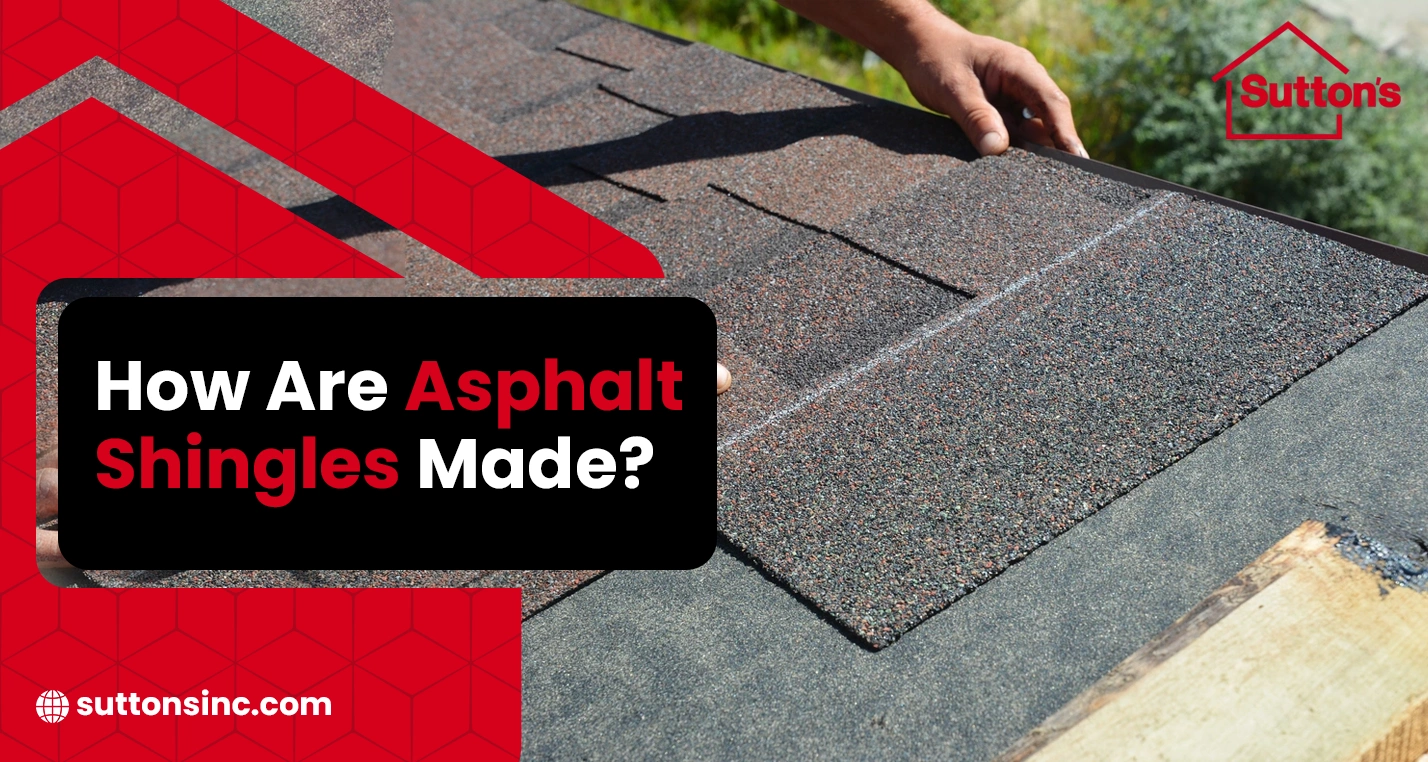
Asphalt shingles are made through a precise multi-step manufacturing process that transforms raw fiberglass and asphalt into one of the most durable and affordable roofing materials available. Understanding how asphalt shingles are made helps homeowners appreciate why they outperform other roofing options in durability, cost, and weather resistance.
Each shingle starts life as a humble fiberglass mat and then takes on layer after layer of engineered strength. It comprises hot asphalt for waterproofing, mineral granules for UV protection, and precision sealing for weather resistance. The process involves a series of steps, from mixing and coating to cutting and quality testing, that make shingles strong enough to last for decades.
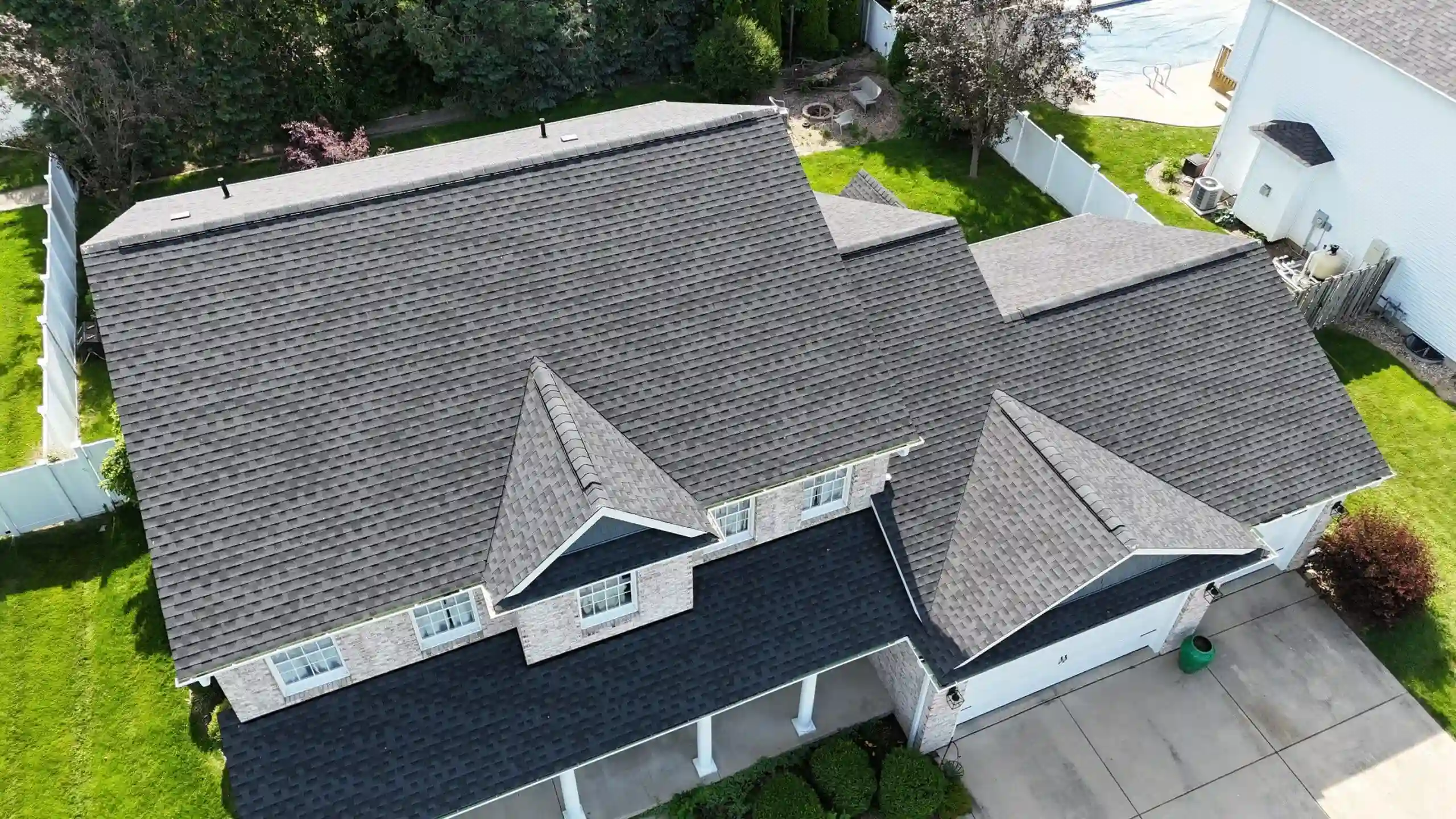
Step-by-Step Process Behind Asphalt Shingles
Every stage adds something to the shingle’s strength, flexibility, and weatherproofing until the final product is ready to face the elements. Here’s an overview of the process:
1. Creating the Fiberglass Foundation
The process starts with a thin fiberglass sheet because it’s the backbone of the shingle. Without it, the shingle wouldn’t have much structure. Fiberglass is lightweight yet tough, which is why it replaced older organic materials that couldn’t handle moisture or temperature swings.
- It stays stable through cold winters and hot summers.
- It gives the asphalt something solid to grip.
- It helps stop cracking or curling as the roof ages.
It might not look like much at first, but that layer makes everything else possible.
2. Infusing the Mat with Asphalt
Next, the fiberglass mat moves through hot asphalt. This part is all about waterproofing. The asphalt seeps into every fiber, sealing off tiny air pockets and keeping moisture out.
The mixture isn’t random; it’s blended with fine mineral fillers to stay strong yet flexible. That balance helps shingles bend slightly without breaking, even during high winds or sudden cold snaps.
3. Applying Mineral Granules
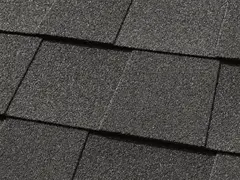
While the asphalt is still warm, a layer of small, ceramic-coated granules is spread across the surface. You might think it’s just for looks, but these granules do much more:
- The granules block sunlight that can dry and crack asphalt.
- They add grip and texture, making the surface less slick.
- They give the roof its signature tone and durability.
A fine layer of mineral dust is then brushed onto the back to prevent shingles from sticking together during stacking and shipping.
4. Cooling the Material
After that, the long sheet of coated material passes through cooling rollers. This step helps the asphalt set and locks the granules in place. Cooling may seem minor, but without it, the surface could shift, or the granules might come loose later. By now, it’s starting to look like the shingles most of us recognize: flat, textured, and built to last.
5. Cutting and Shaping
Once cooled, the sheet’s ready to be trimmed into shingles. Machines cut them to exact sizes so they’ll fit neatly during installation.
Some shingles are made with extra layers for a dimensional look. That bit of layering doesn’t just add style. It gives the shingle more thickness and wind resistance, which means better protection once it’s nailed in place.
6. Sealing for Strength
Here’s where it all comes together. Each shingle gets a thin strip of adhesive across the surface. When the sun warms it after installation, that strip melts slightly and bonds one shingle to the next.
That seal is small but strong and does big work. It keeps the wind from lifting the edges, blocks rain from slipping under, and helps the roof act like one solid shield instead of thousands of loose pieces. The National Roofing Contractors Association has more on what separates quality shingle manufacturing from bargain-bin material.
7. Testing and Packaging
The final stage ensures every shingle meets strict quality standards. They’re tested for thickness, flexibility, adhesion, and granule coverage. Any piece that doesn’t measure up is recycled or discarded.
Only the best batches are stacked, wrapped, and shipped. When you see those clean bundles waiting on a job site, you’re looking at the result of an entire system built for consistency and quality.
Conclusion
Making an asphalt shingle isn’t a quick or simple job. It’s a chain of careful steps that turn raw materials into reliable protection. The fiberglass base provides structure, and the asphalt coating keeps water out. Meanwhile, mineral granules guard against sunlight and add character. After cooling, cutting, sealing, and testing, the shingles are ready for a roof built to last.
At Sutton’s, our crews handle those finished asphalt shingles with the same care that went into making them. Each roof reflects a commitment to precision, skill, and trust; the kind recognized by GAF’s Master Elite certification, held by fewer than two percent of roofers nationwide. That dedication is what sets us apart. Every roof we complete tells that story, one shingle at a time.