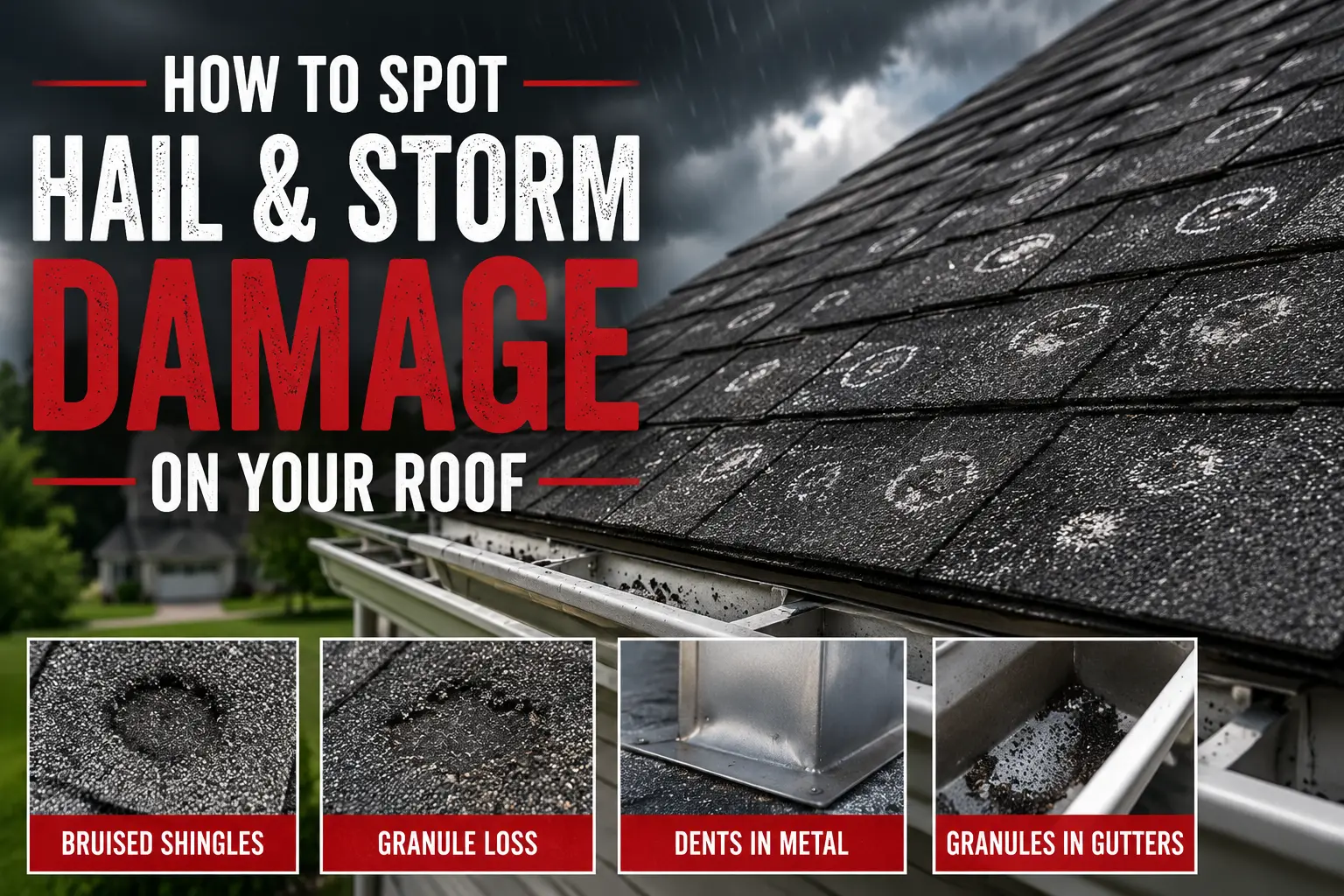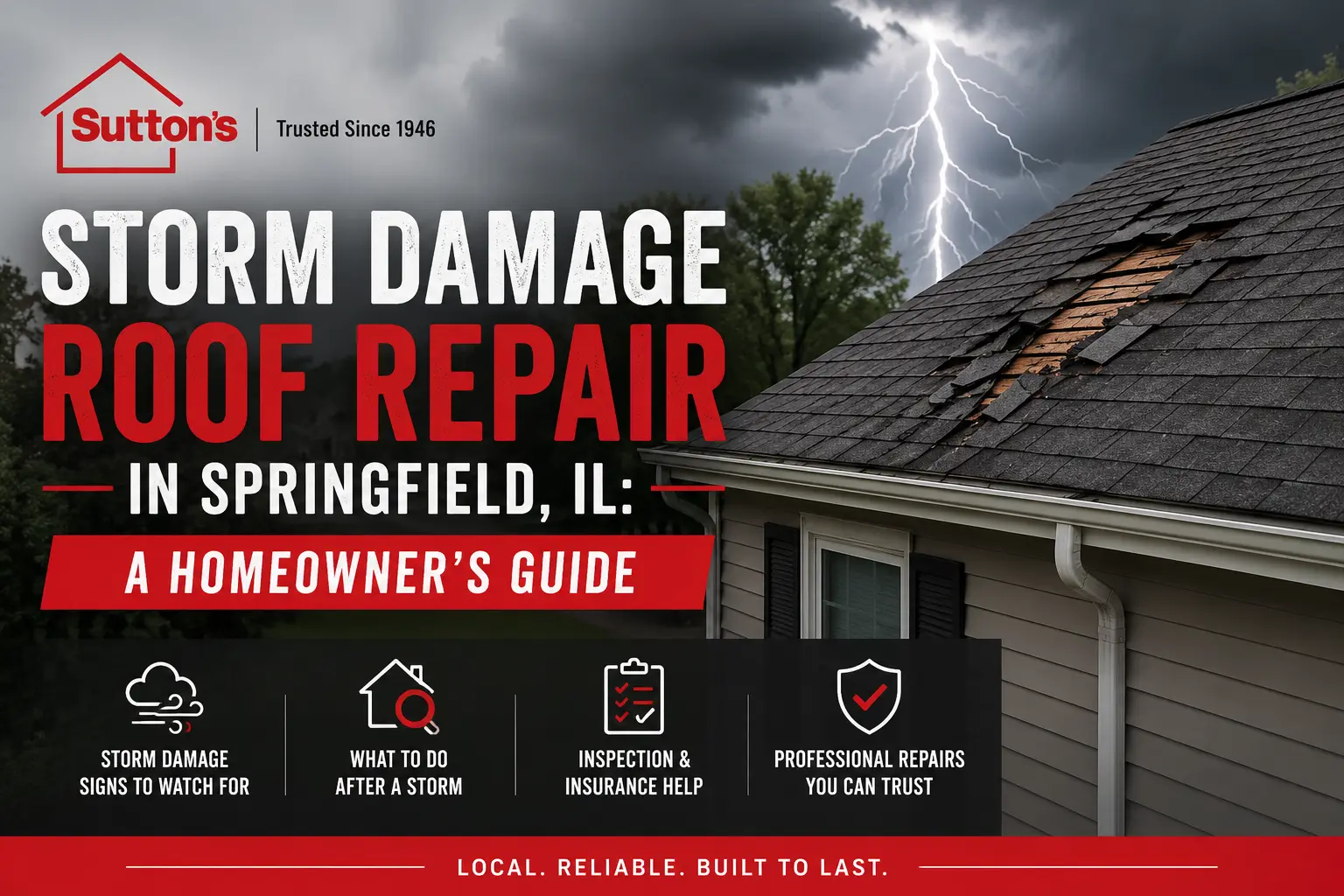
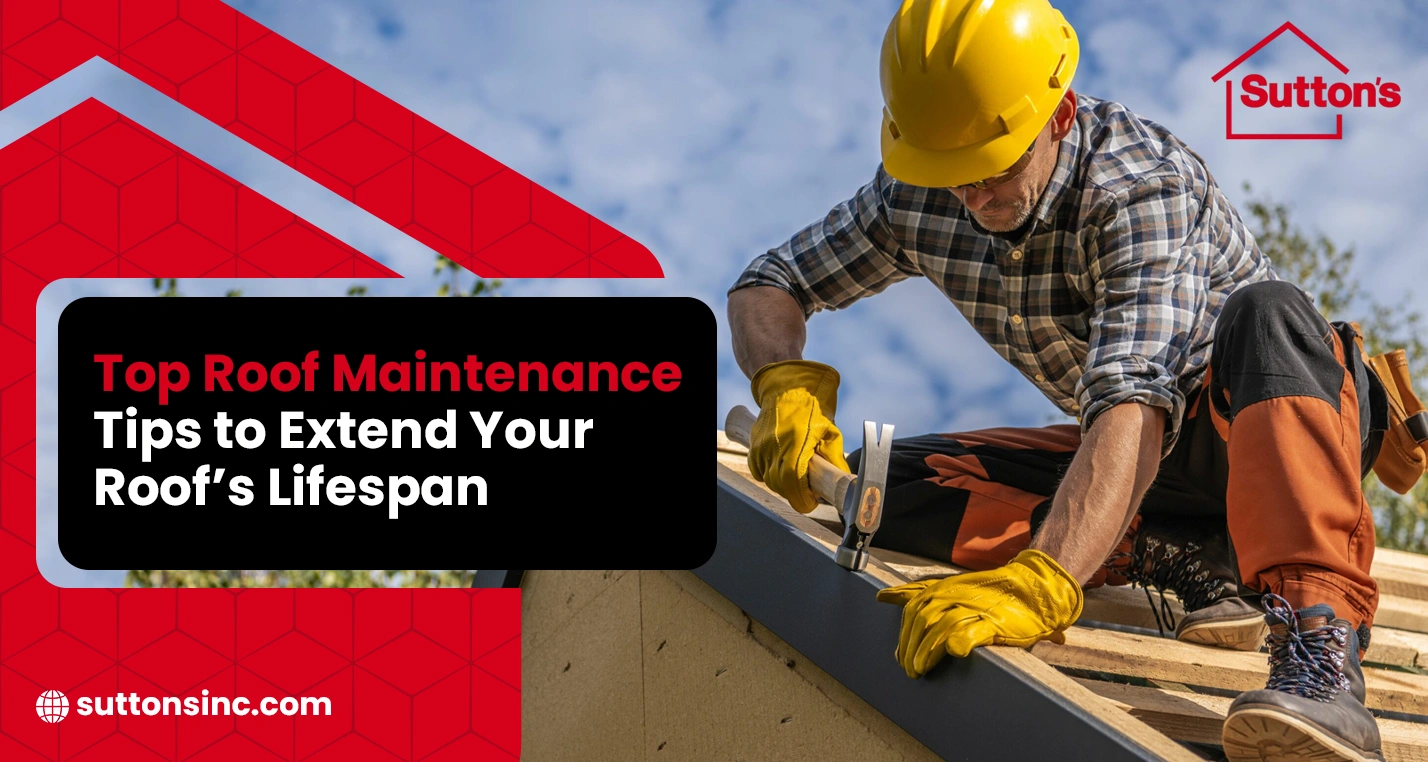
A well-maintained roof does more than shield your home from the elements. It also preserves long-term value and helps you avoid expensive repairs. To extend your roof’s lifespan, homeowners should focus on consistent maintenance throughout the year. Regular inspections reveal small issues before they escalate, while clean gutters and debris removal prevent water damage.
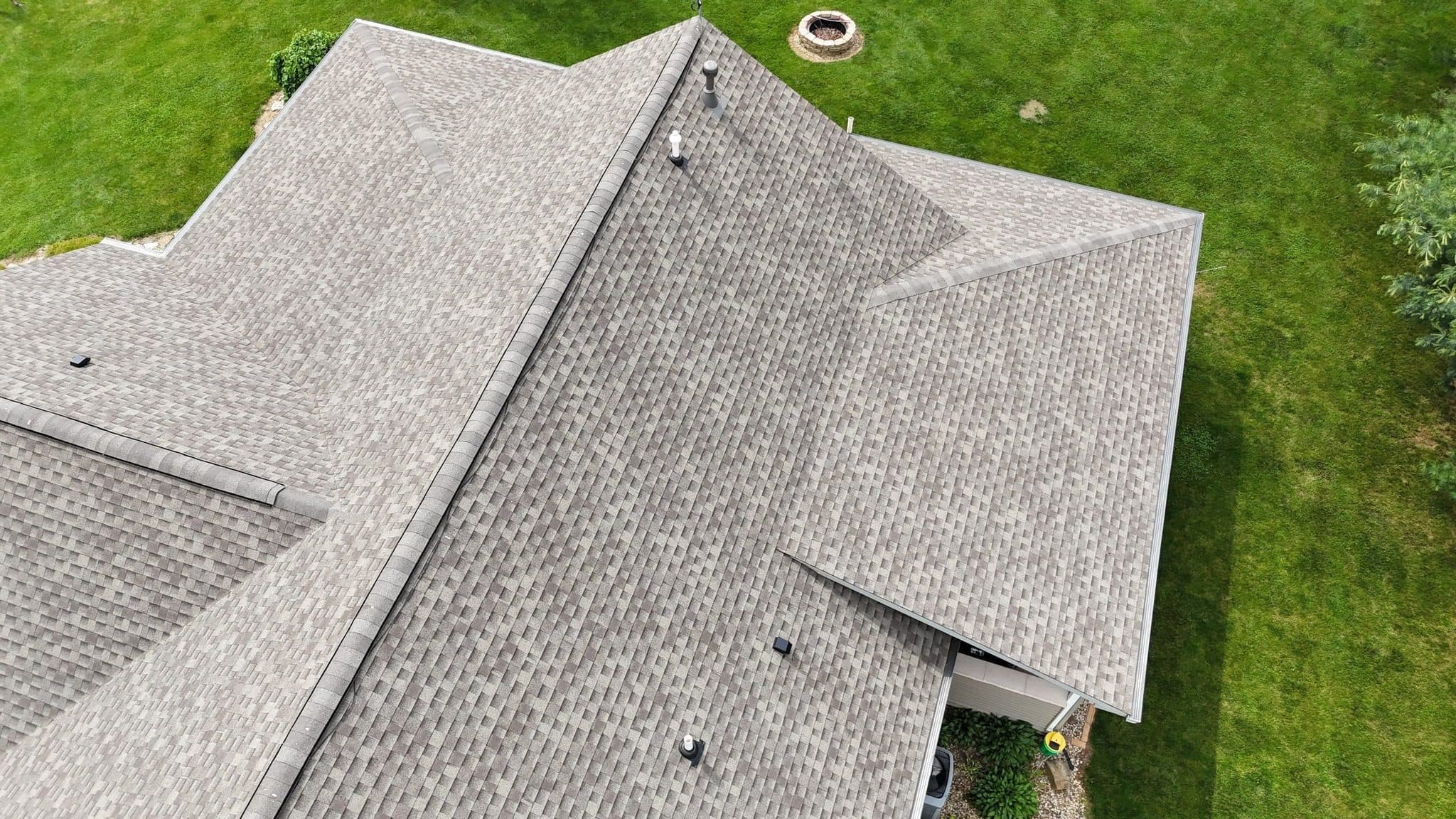
Checking asphalt shingles and flashing, repairing leaks quickly, and maintaining attic ventilation keep the structure sound. Some other common practices, such as trimming trees, improving insulation, and protecting against ice dams, provide added protection. Moreover, monitoring chimneys and skylights and working with professionals ensures a strong plan that protects your home.
Roof Maintenance Tips to Maximize the Life of Your Roof
Let’s examine the steps to help you maintain your roof effectively and ensure its long-term durability.
1. Schedule Regular Roof Inspections
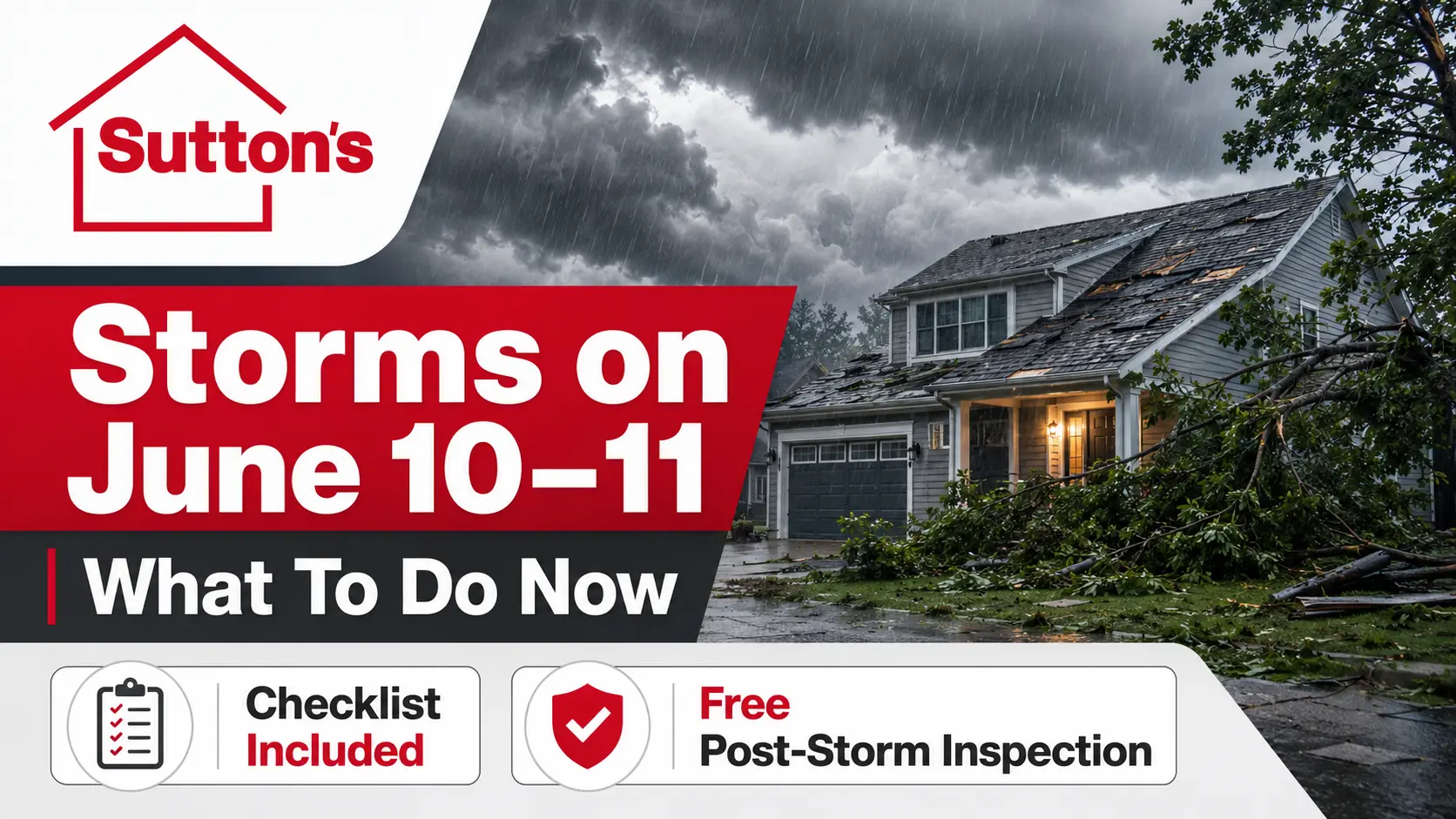
Having your roof inspected twice a year helps identify concerns before they worsen. After major storms, additional checks are necessary to catch hidden damage. A professional inspection can reveal issues such as weakened shingles, deteriorated flashing, or small leaks not visible from the ground, preventing costly repairs later.
2. Clean Gutters and Downspouts
Clogged gutters cause water to back up and seep into the roofing materials. This leads to rotting wood and compromised roof structure. Cleaning gutters twice annually, and more often during heavy leaf seasons, ensures proper water flow. Downspouts should also be checked to confirm water has moved away from the foundation and home.
3. Remove Debris, Moss, and Algae
Leaves, twigs, and dirt collect on rooftops, trapping moisture that shortens roof life. Moss and algae, particularly in shaded areas, weaken asphalt shingles and compromise their ability to shed water. Regular removal reduces damage. Professional cleaning ensures proper care for significant growth without harming roofing materials or voiding manufacturer warranties.
4. Check Shingles and Flashing
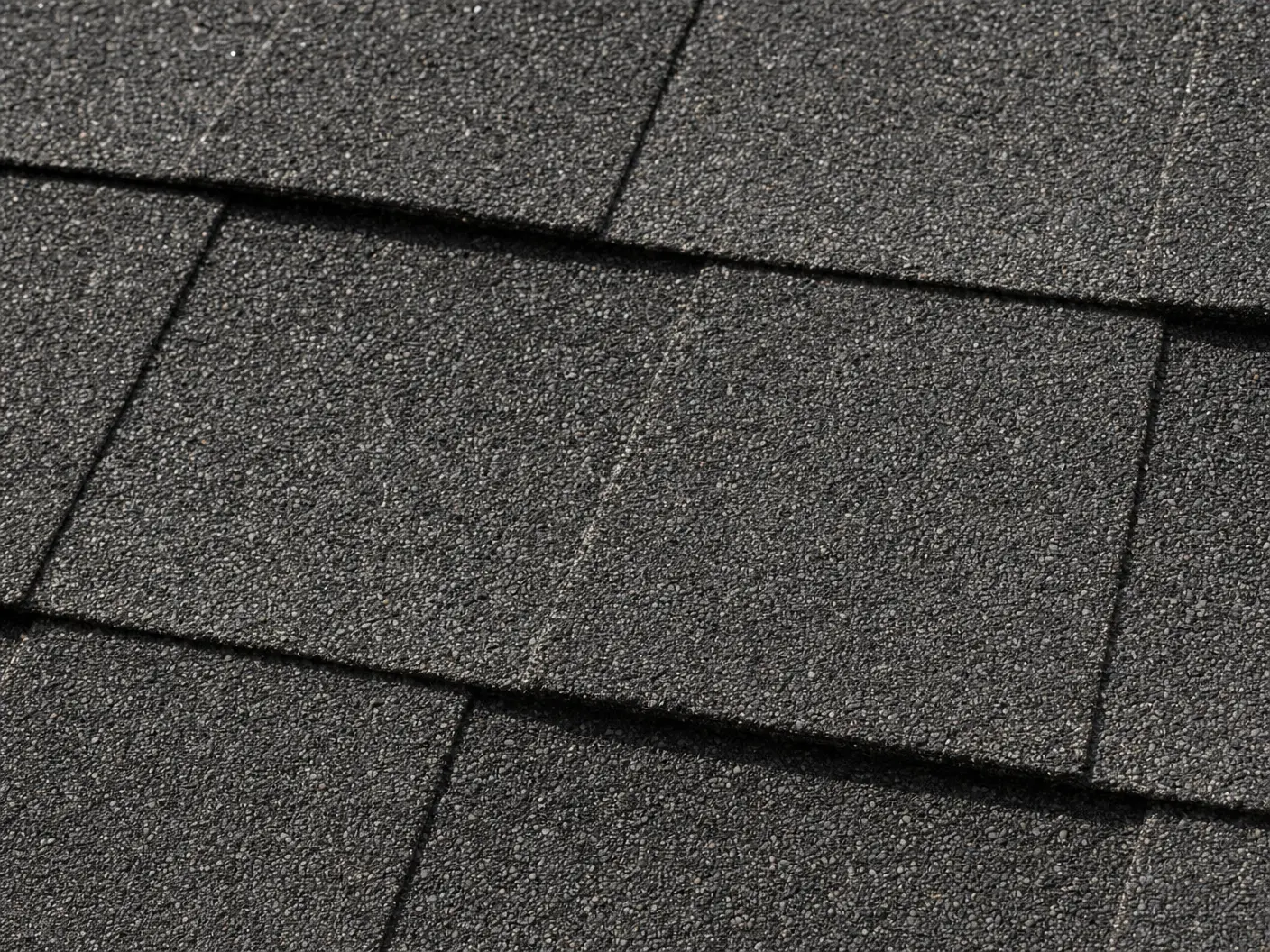
Asphalt shingles protect against water intrusion, but damaged or missing pieces leave gaps. Flashing around vents, skylights, and chimneys is equally important. Over time, these elements may loosen or deteriorate. Inspecting shingles and flashing allows homeowners to address small problems quickly, preventing leaks that can spread to underlying roof structures and insulation.
5. Address Leaks Without Delay
Water stains or damp insulation are early warnings of leaks. Even small leaks create large problems when ignored, including mold, rot, and structural weakening. Prompt repairs are essential for protecting the home’s roof and interior. Acting quickly saves money while preventing damage that requires complex restoration.
6. Maintain Proper Attic Ventilation
Balanced airflow prevents moisture buildup and controls attic temperatures. Poor ventilation causes heat damage in summer and condensation issues in winter. These conditions weaken shingles, reduce insulation effectiveness, and shorten roof life. Adequate intake and exhaust vents maintain a healthy environment, protecting the roof and the home’s efficiency.
7. Trim Overhanging Tree Branches
Branches that extend over a roof create multiple risks. They can rub against asphalt shingles and wear them down, or break during storms, causing cracks or dislodging pieces. Trees also drop leaves that clog gutters and trap moisture. Trimming back limbs reduces storm damage, limits debris, and helps preserve your roof’s structural integrity.
8. Ensure Adequate Insulation
Proper insulation helps stabilize indoor temperatures and reduces strain on the roof. Insufficient insulation leads to heat loss in winter, raising the risk of ice dams, while summer heat may cause asphalt shingles to deteriorate faster. A well-insulated attic works alongside ventilation to preserve roof health and improve overall energy efficiency in the home.
9. Protect Against Ice Dams
Ice dams form when melting snow refreezes at the roof edges, trapping water behind it. This water seeps under asphalt shingles and causes leaks. Prevention requires insulation, ventilation, and clean gutters. Together, these measures reduce uneven roof temperatures, keep snow from melting, and prevent ice from creating destructive blockages along rooflines.
10. Monitor Skylights and Chimneys
Chimneys and skylights often develop leaks where flashing or seals degrade. Mortar joints on chimneys can crack over time, while skylights may show condensation or failing seals. Routine checks ensure these features remain watertight. Repairing flashing, resealing joints, or addressing worn materials early preserves roof integrity and prevents more complex interior water damage.
11. Work with Professional Roofers
Professional roofers provide expertise that goes beyond routine checks. Certified contractors can detect concerns quickly, repair safely, and maintain warranties. Partnering with an experienced team ensures roofs receive the right attention at the right time. The National Roofing Contractors Association has more on what a thorough maintenance inspection should cover. Regular professional maintenance significantly extends the lifespan and reduces risks homeowners may not notice themselves.
Conclusion
Regular maintenance is the best way to extend your roof’s lifespan. Regular inspections, gutter and downspout cleaning, and debris removal help prevent early damage. Checking shingles, flashing, and attic ventilation protects against leaks and hidden moisture problems. Proper insulation, trimmed branches, and ice dam prevention provide added protection. Chimneys and skylights also need routine attention to remain watertight. Professional roofers bring the training and experience to identify issues quickly and complete repairs safely.
At Sutton’s, we’re proud to be a GAF Master Elite Roofer—a certification that less than 2% of roofers nationwide can claim. This distinction means you can trust us for expert installation, superior asphalt shingles, and the industry’s best warranties.