
If you’ve started planning an exterior makeover, you’ve probably bumped into the same two siding names over and over again: composite and vinyl. They both look good from the curb, and they both hold up well in everyday weather. But once you start looking at real-life stuff, how much it costs, how hard it is to install, and how often you’ll have to mess with it, vinyl usually ends up making more sense for most people.
Composite siding is built from wood fibers mixed with resin. Vinyl siding is made from PVC, a type of plastic that doesn’t rot, doesn’t soak up water, and doesn’t need much maintenance. Composite has its own place and style, especially if you’re chasing a more “traditional wood” look. But for most households trying to keep costs down and maintenance low, vinyl tends to be the easier, more budget-friendly path.
What Is Vinyl Siding?
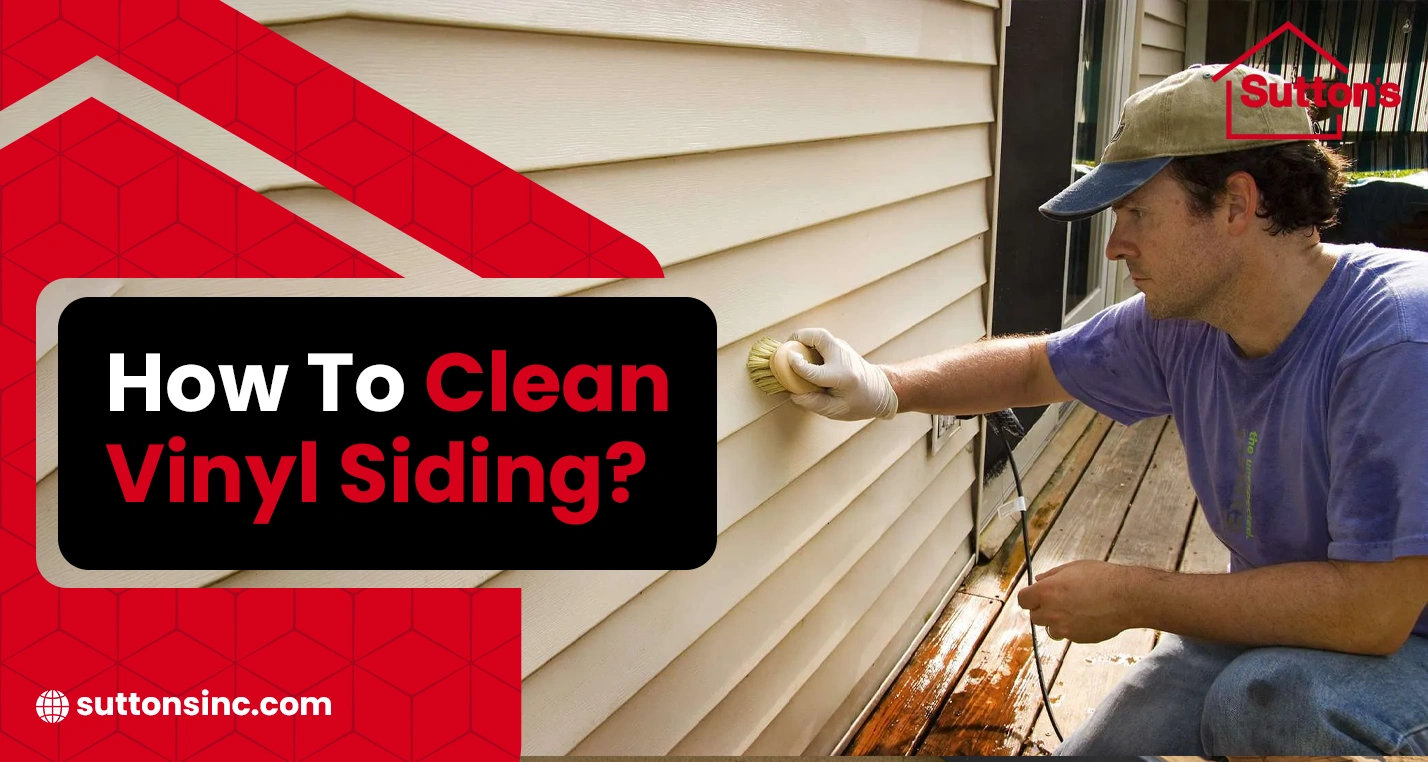
Vinyl siding is a PVC material sheet that is made up of panels clipped together and forming a weather-tight seal around the house. Nowadays, vinyl is more durable, less prone to fading, and even better in shape over the years.
PVC panels are not only good in the appearance aspect but also in giving the owners very little maintenance needs. No scraping, no painting, no sealing every few years. That is why a lot of homeowners have vinyl because it is a practical mixture of low cost, dependable performance, and acceptable style.
What Is Composite Siding?
Composite siding is composed of a blend of wooden fibers and binding chemicals. You have to invest more initially, and you can’t be completely relieved from the maintenance duties. Composite also requires some care from time to time, cleaning, repainting, checking for the presence of moisture, and addressing any issues. It is also more complicated to install than vinyl due to its weight and stiff nature, so you often have to handle more expensive labor and a lower possibility of doing it yourself.
Key Comparison Factors Between Composite and Vinyl Siding
When you reduce it to the most important features that directly affect your money and your calendar. You have to look at the cost, ease of installation, durability, and maintenance. The two materials are compared in the most important aspects.
Installation Complexity
- Vinyl siding is designed for quick installation. It comes in a lightweight form, is a little bit flexible, and is often made with interlocking edges, which make it possible for the panels to be snapped or slid into place. This feature allows the installers to have an easier time with handling, thus the work is finished faster with less opportunity for errors.
- Composite siding involves more work. It is heavier and denser, and if it is not handled properly, it will not be easy to maintain in the long run. Clean cuts usually need specific blades, and if the material is not adequately supported, it may get cracked or chipped.
Lifespan
- Vinyl siding commonly lasts 40 years or longer under normal residential conditions. With vinyl, you get a long service life without a premium price tag. So in terms of years of use per dollar spent, vinyl usually wins.
- Composite siding can have a good lifespan, but its durability is more inconsistent depending on the brand and the climate. You are going to have to pay more at the start and additionally take maintenance throughout the life of the siding.
Lifecycle Cost
- Vinyl siding can lessen the total money you’ll spend from installation to the end of the siding’s life, including materials, labor, cleaning, touch-ups, and occasional fixes.
- Composite siding, while more stable than bare wood, still carries ongoing costs. You may need to repaint, recaulk, or repair damaged spots, and those costs creep in slowly over time.
Maintenance
- Vinyl siding is going to be more your style. For most houses, upkeep is as simple as giving it a rinse with a hose or a light wash if dirt builds up. It doesn’t need paint, stain, or protective coatings. It’s naturally resistant to rot, mold, and insect damage because of the material itself.
- Composite siding asks for more effort than vinyl. It may need cleaning, fresh paint or stain, and attention to small cracks or gaps so moisture doesn’t get in. If the color starts to fade or the surface wears unevenly, keeping it looking sharp takes more time, and sometimes more money.
Which Is Better?
It really depends on what you care about, but for most homeowners, the practical answer is vinyl. If you’re focused on keeping costs reasonable, getting the job done without a lot of hassle, avoiding regular upkeep, and still having a siding that lasts for decades, vinyl is the stronger choice.
Composite siding can be quite nice; however, it still does not compare to vinyl in terms of overall cost, installation ease, and maintenance downtime.
Conclusion
In comparing composite siding and vinyl siding in terms of the most important factors affecting real life, such as initial cost, installation, maintenance, and durability, vinyl wins almost every time. It is cheaper to install, more preferable to work with, and less costly to maintain over the years, all while providing a durable and weather-resilient exterior.
If you’re ready to explore vinyl options and want the installation done properly, you can check out Sutton’s, a GAF-certified company known for solid workmanship and reliable vinyl siding installs.