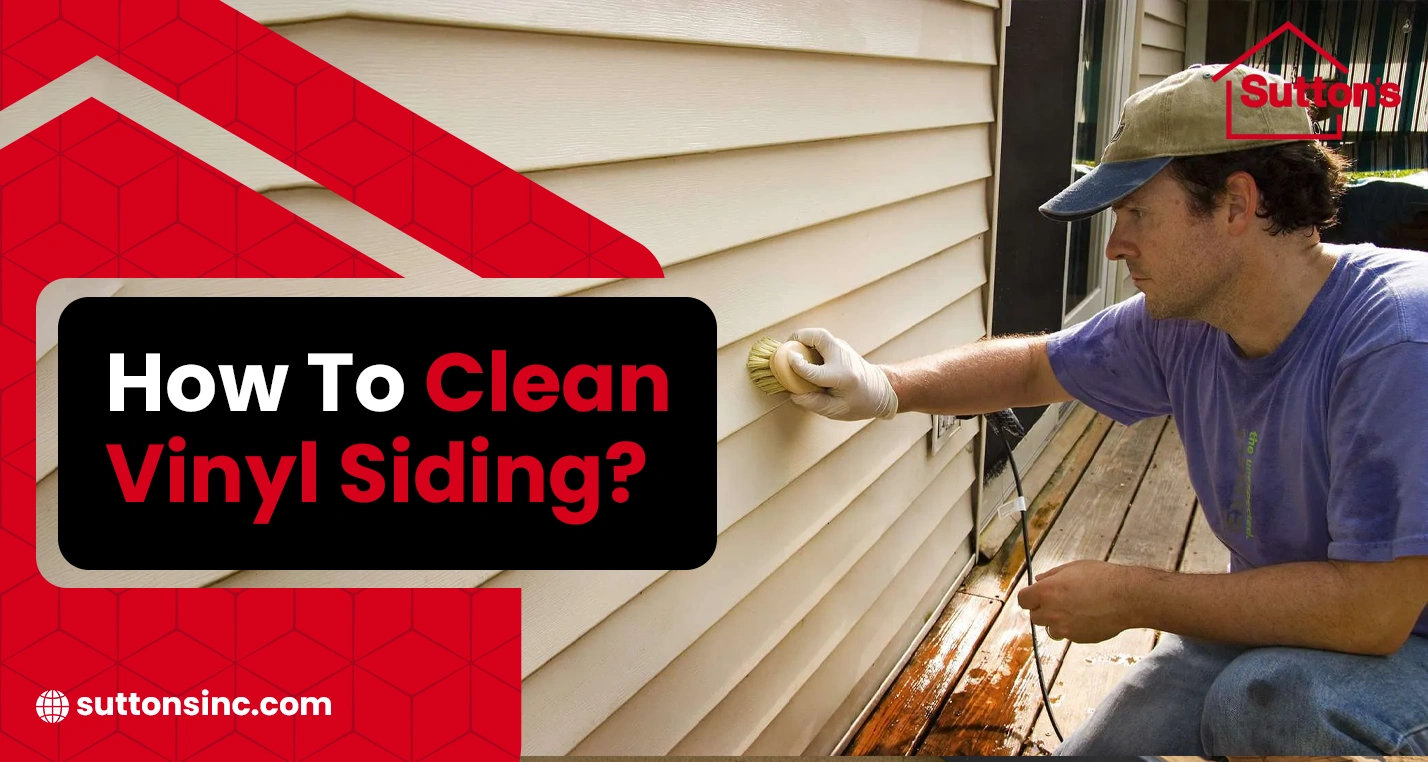
When it’s time to refresh your home’s exterior, one question always comes first: How much will new siding cost? Vinyl siding hits that sweet spot between affordability and durability. Most projects land between $7,000 and $15,000, depending on your home’s size, material quality, and layout complexity.
That range shifts based on several things: thicker panels cost more but last longer, insulation adds efficiency but increases labor, and detailed trim takes extra time to install. Even local rates and timing can move the number up or down. The good news? Vinyl siding is built to last for decades, making it one of the most cost-effective upgrades to your home’s exterior.
Average Cost of Vinyl Siding
Vinyl siding usually costs $3 to $8 per square foot installed, depending on the material type and labor rates. For a mid-sized 1,500 sq ft home, that costs roughly $5,000 to $12,000 from start to finish.
Costs vary because houses aren’t built in templates. A small ranch with flat walls will run far less than a two-story home with gables and detailed trim. Add insulation or thicker panels, and the total rises. Choose thinner boards or simpler designs, and it dips. That’s why a custom quote is always the most accurate way to know what your project will cost.
Factors That Affect Vinyl Siding Cost
Several things can change the final price, from material quality and home size to labor rates and small finishing details. Here are the top factors:
1. Material Quality and Thickness
The thickness of your vinyl siding determines how well it stands the test of time. Thicker panels, typically 0.044 to 0.048 inches, resist warping, cracking, and fading far better than thinner options. While thinner siding can save money upfront, it’s more likely to show dents or discoloration over time. Investing in a higher-grade material means longer-lasting curb appeal and fewer repairs.
2. Insulation and Energy Efficiency
Insulated vinyl siding adds a foam backing that improves noise reduction and energy efficiency. It costs about $1–$2.50 more per square foot, but it can cut energy loss through walls by as much as 20%.
3. House Size and Design Complexity
Every extra corner, window, and angle means more measuring, cutting, and time. A clean, square home goes fast and costs less. Complex shapes, multiple stories, and heavy trim slow everything down. Labor hours pile up, and so does the bill.
4. Removal and Preparation Work
Sometimes the old siding comes off easily. Sometimes it doesn’t. Removing old siding usually adds $1,000–$3,000 to the total cost, especially if there’s rot, water damage, or uneven sheathing to repair first. It’s not the fun part, but the foundation for a lasting job.
5. Local Labor Rates and Timing
Where you live matters. Labor costs shift from one region to another, and even from one season to the next. In the busy months, contractors fill up fast and prices rise. Off-season scheduling can sometimes lower labor costs.
6. Trim, Soffits, and Finishing Touches
It’s easy to overlook, but all those little extras, window trim, corner posts, soffits, add time and detail work. They finish the look beautifully, though. Simple siding is cheaper, but those finishing pieces combine and boost curb appeal.
7. Warranties and Brand Choice
Some brands stand by their siding for decades. That confidence costs a little more, but longer warranties and better UV resistance mean your siding looks newer. You’re paying for peace of mind and fewer surprises later on.
Conclusion
Vinyl siding might not be the flashiest upgrade, but it’s one of the smartest. Most homeowners spend $8,000 to $15,000 for a complete installation, depending on siding type, labor, and home design. It’s a solid investment in protection and curb appeal, lasting 20 to 40 years with minimal upkeep.
How your home’s built and what kind of finish you want push the price up or down. Material grade, insulation, and those extra details all play a role. But when done right, vinyl siding keeps your home protected, quiet, and sharp-looking year after year. That’s why we at Sutton’s provide specialized vinyl siding services to help homeowners find the balance for their home.